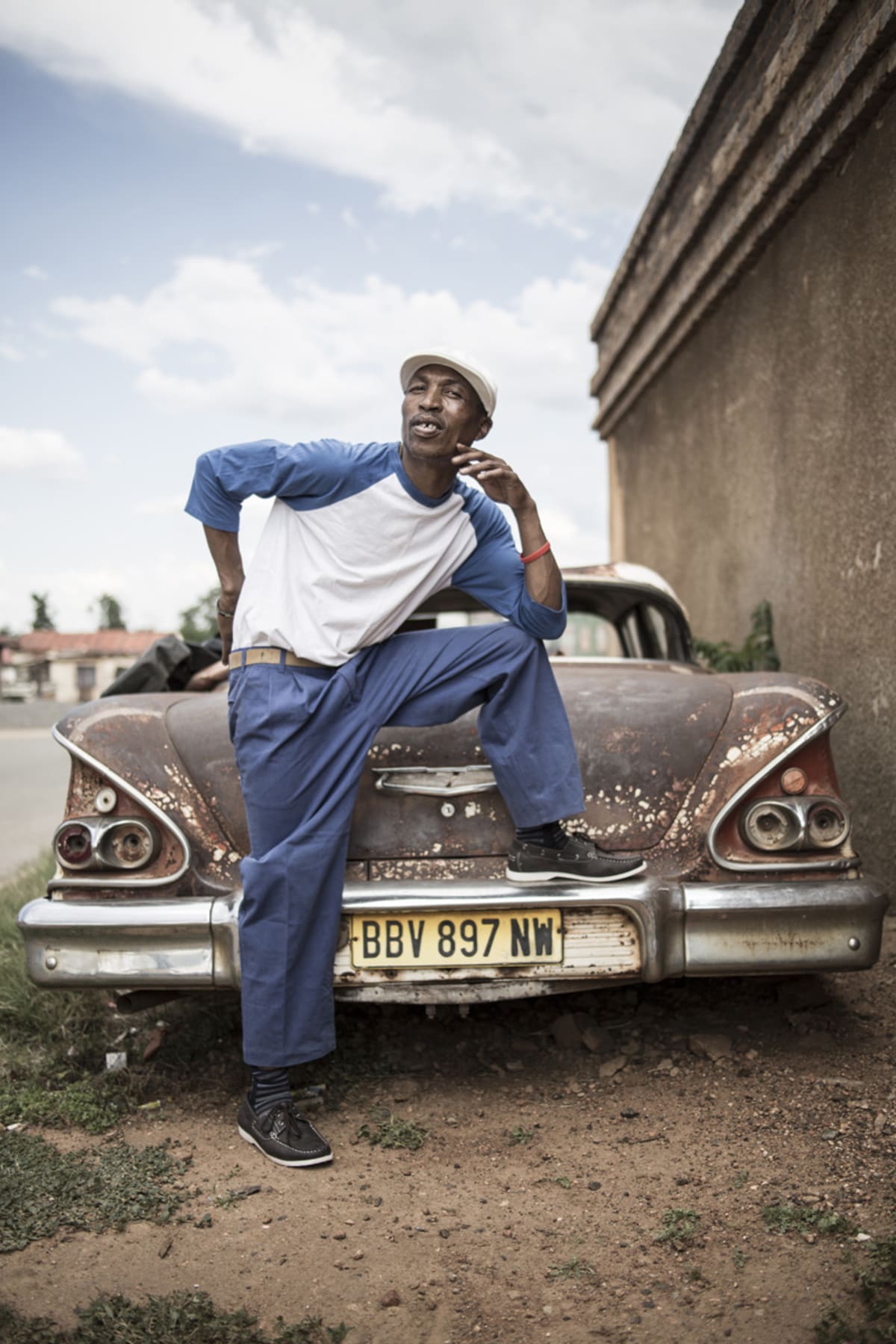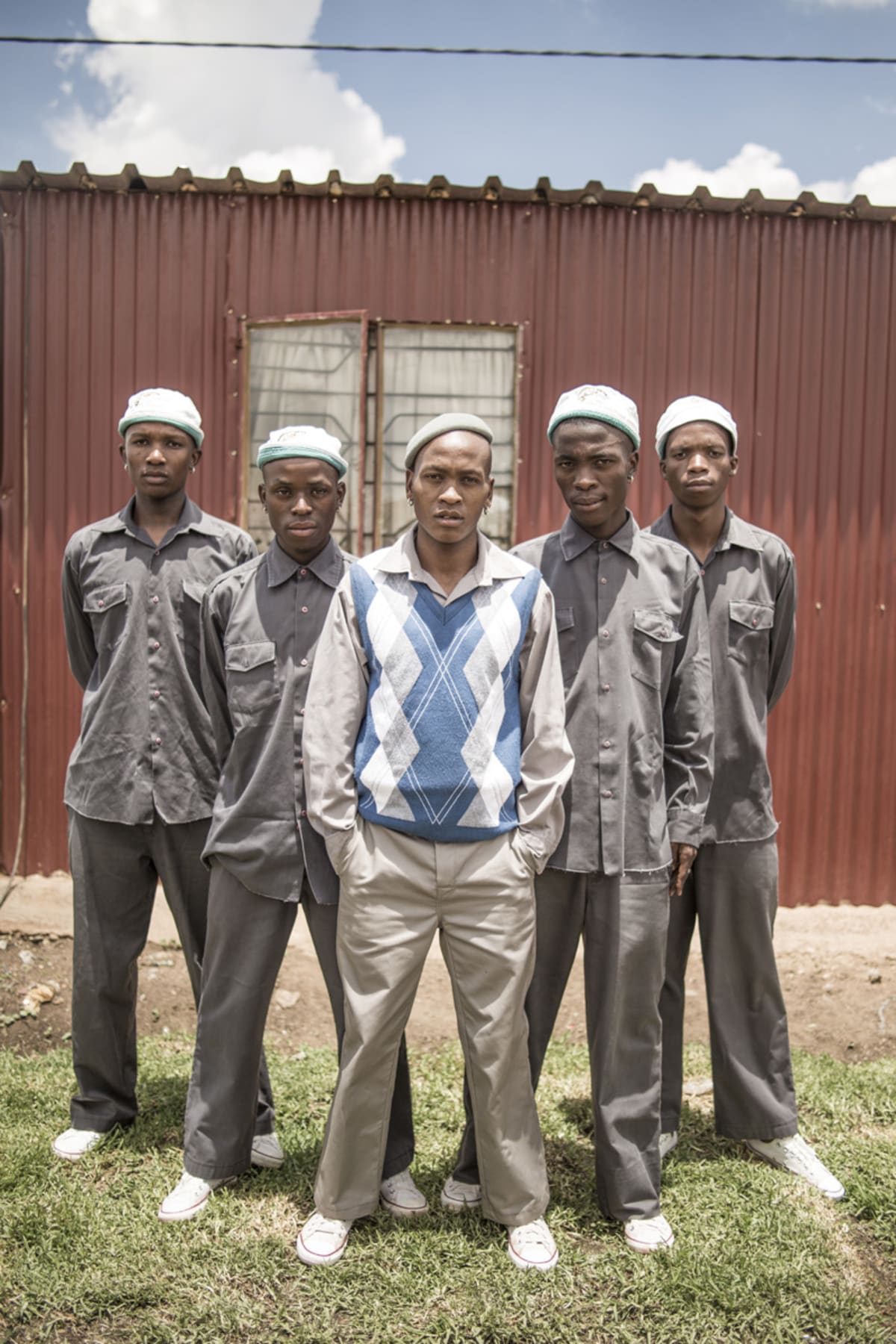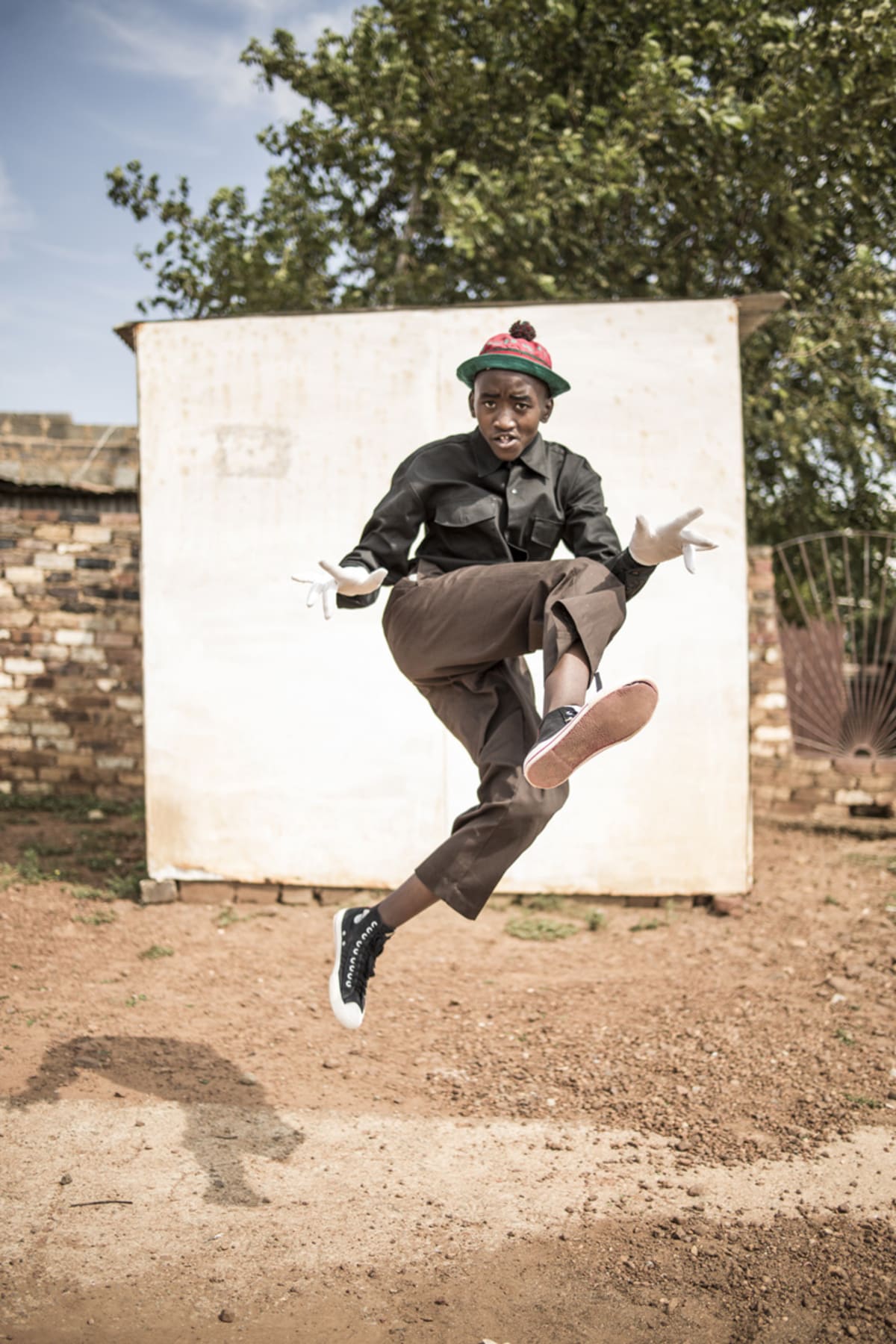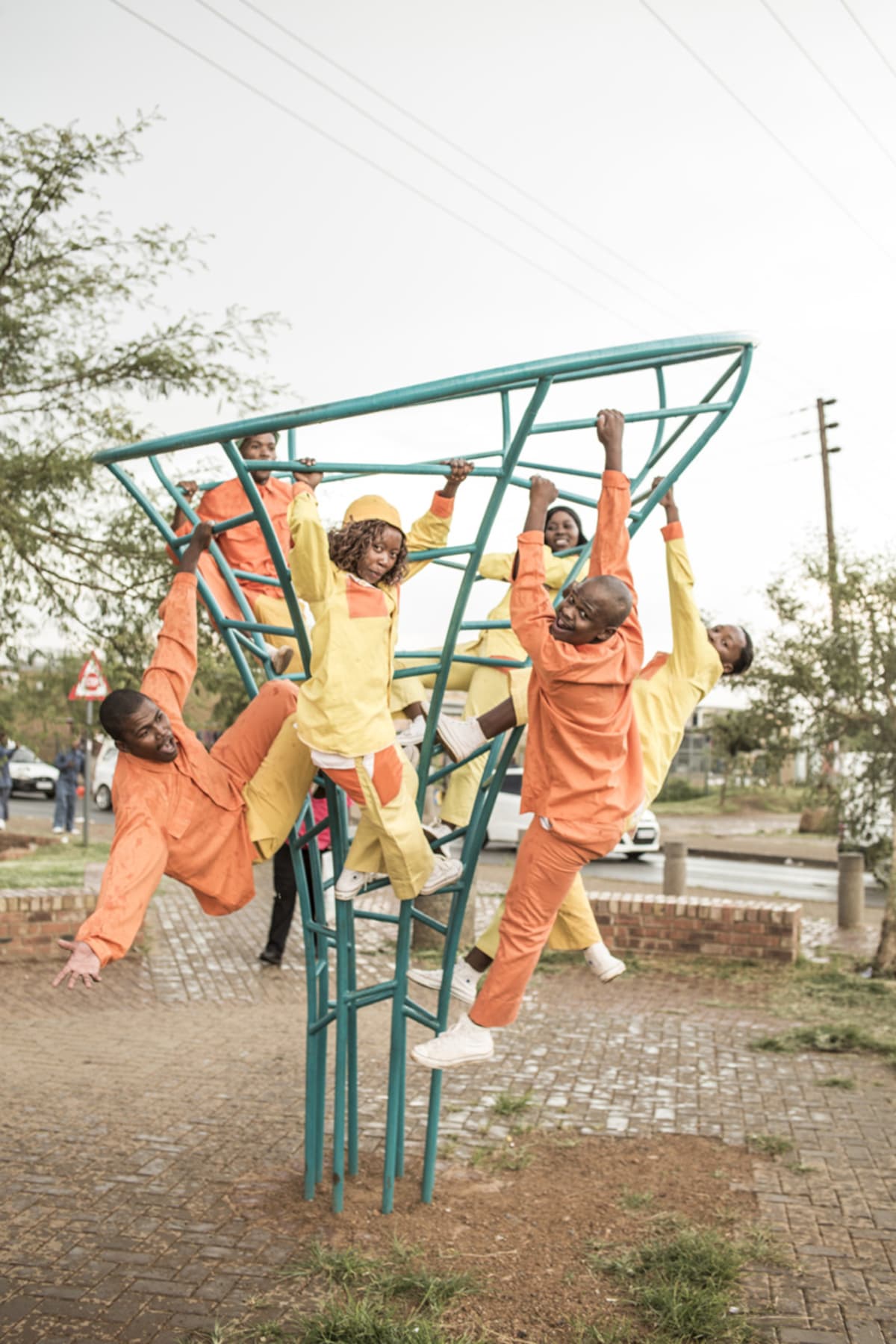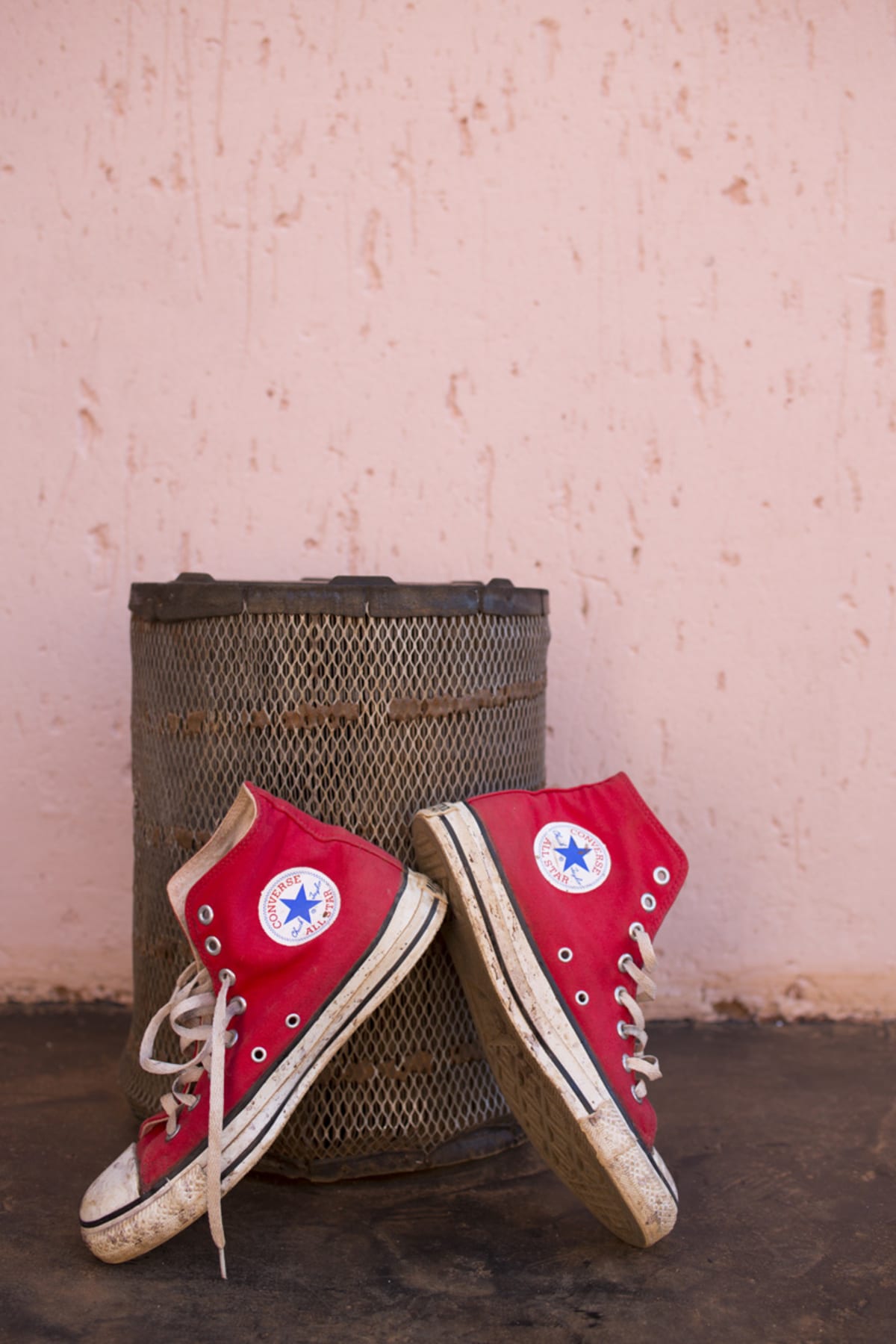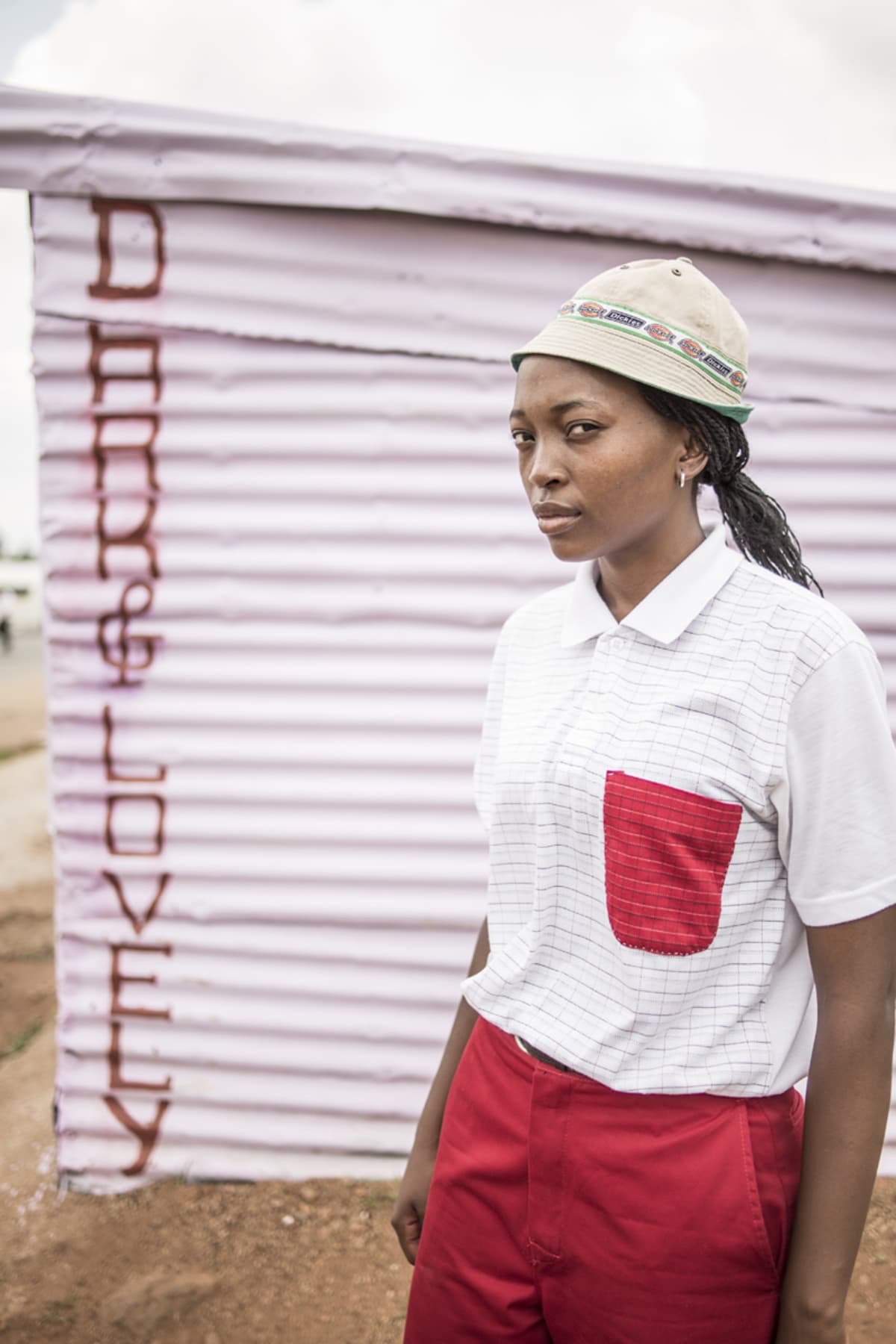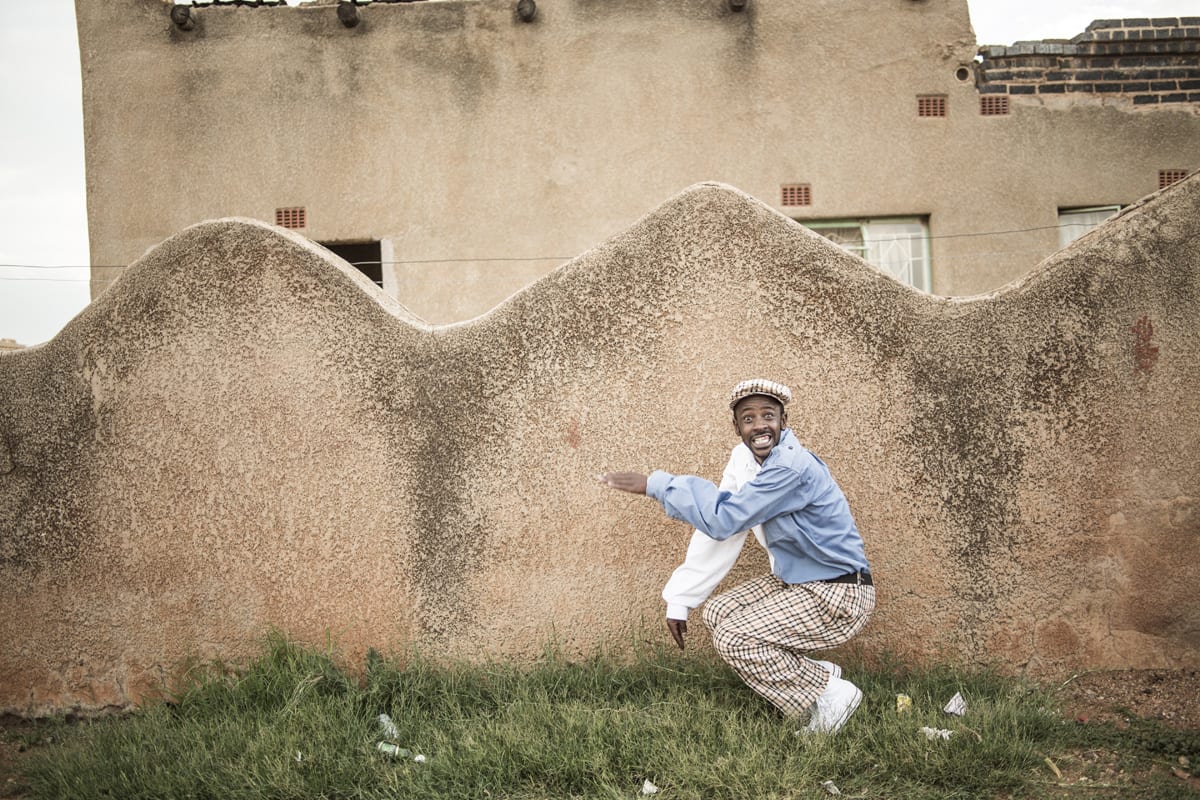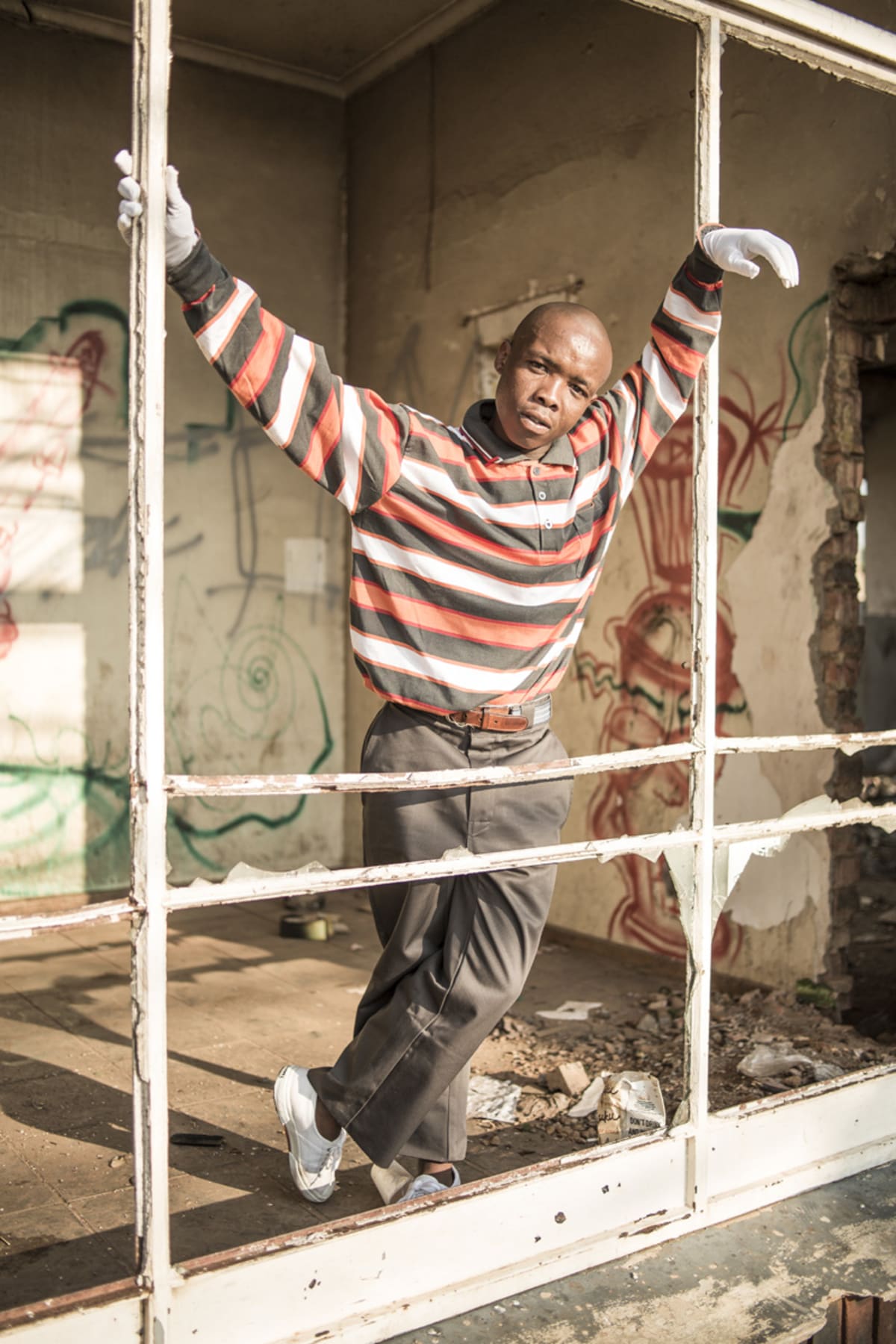

PANTSULA Isipantsula is South Africa’s predominant township subculture. From its roots in the Sophiatown jazz culture of the 1950s, it developed in the 1970s to become the main expression of youth culture in the townships. It is both a mindset and a lifestyle, expressed through language, music, dress code, and a narrative dance form: pantsula.
I began documenting isipantsula in 2010 with the dance company Real Actions Pantsula in Orange Farm. Since 2012 I have worked alongside Dr Daniela Goeller, whose research on the culture is based at the University of Johannesburg. Sixteen years on, the work continues.
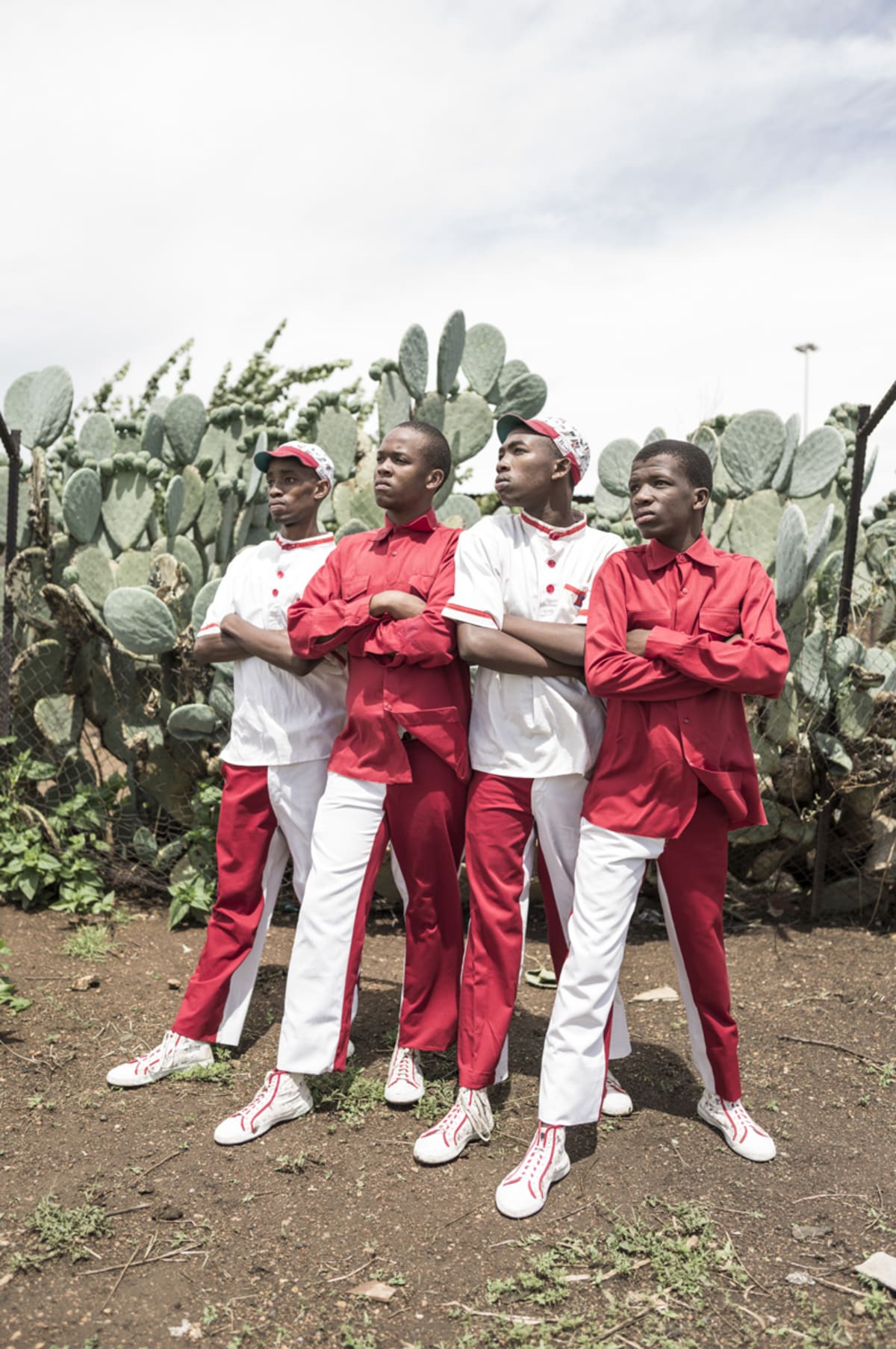
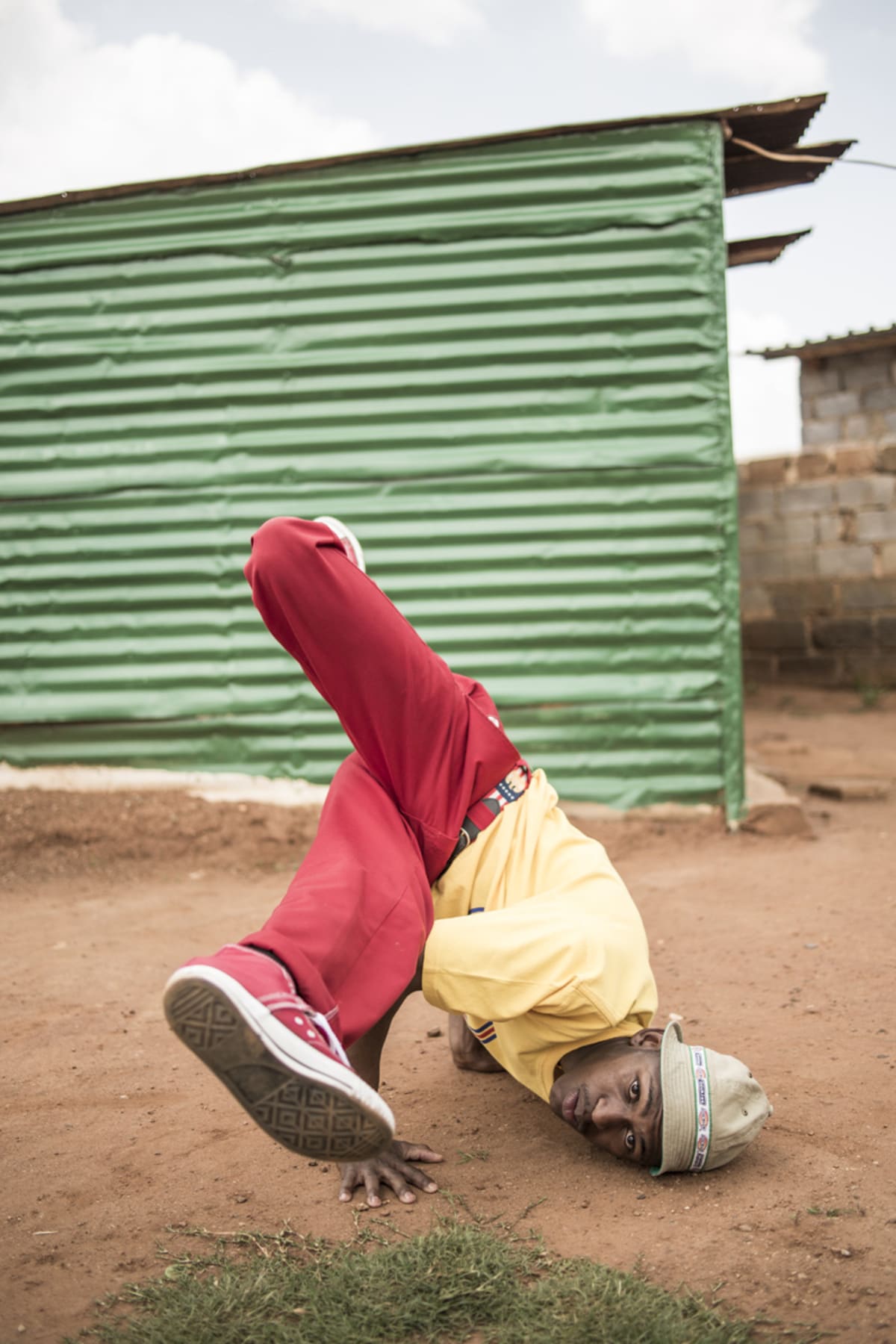
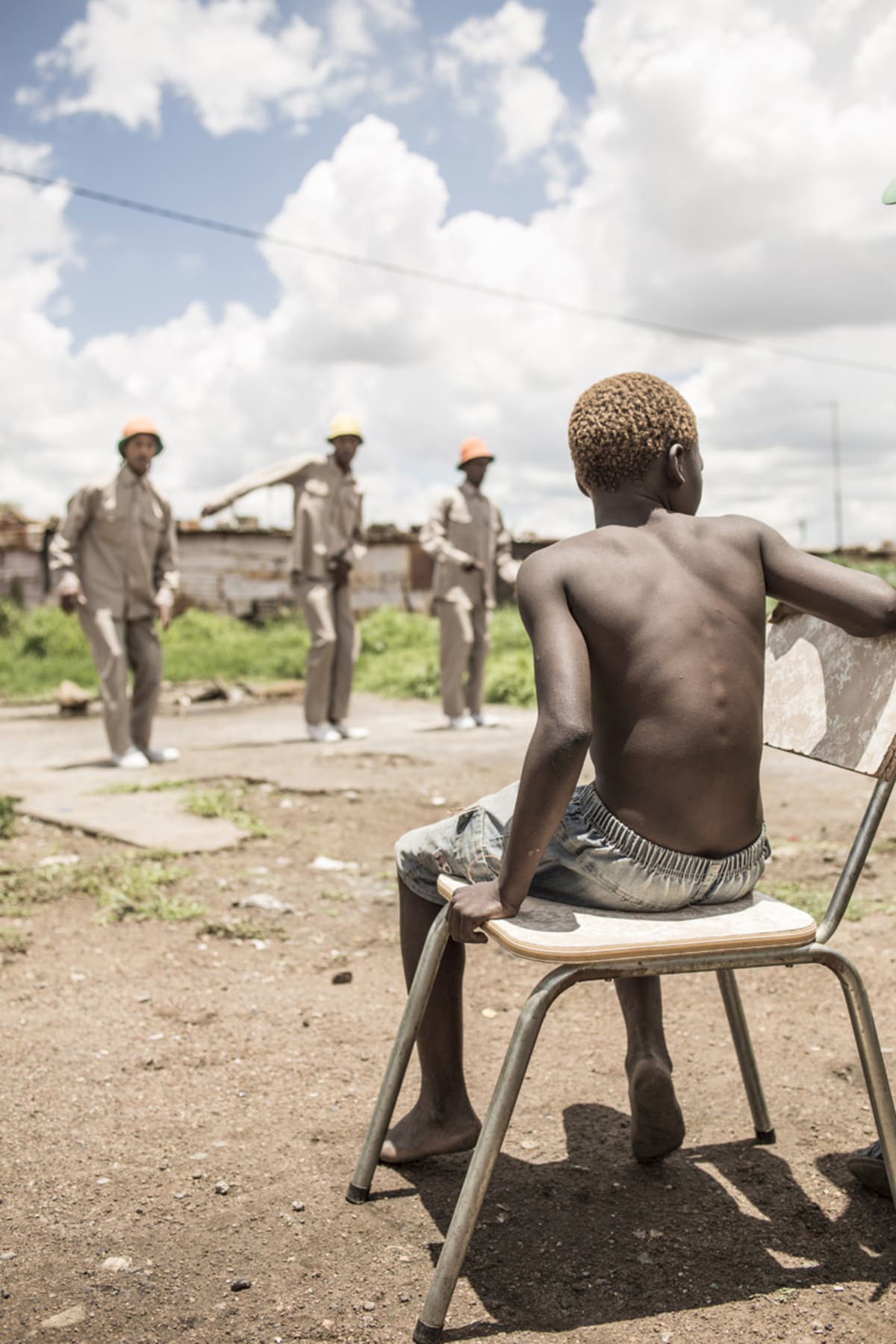
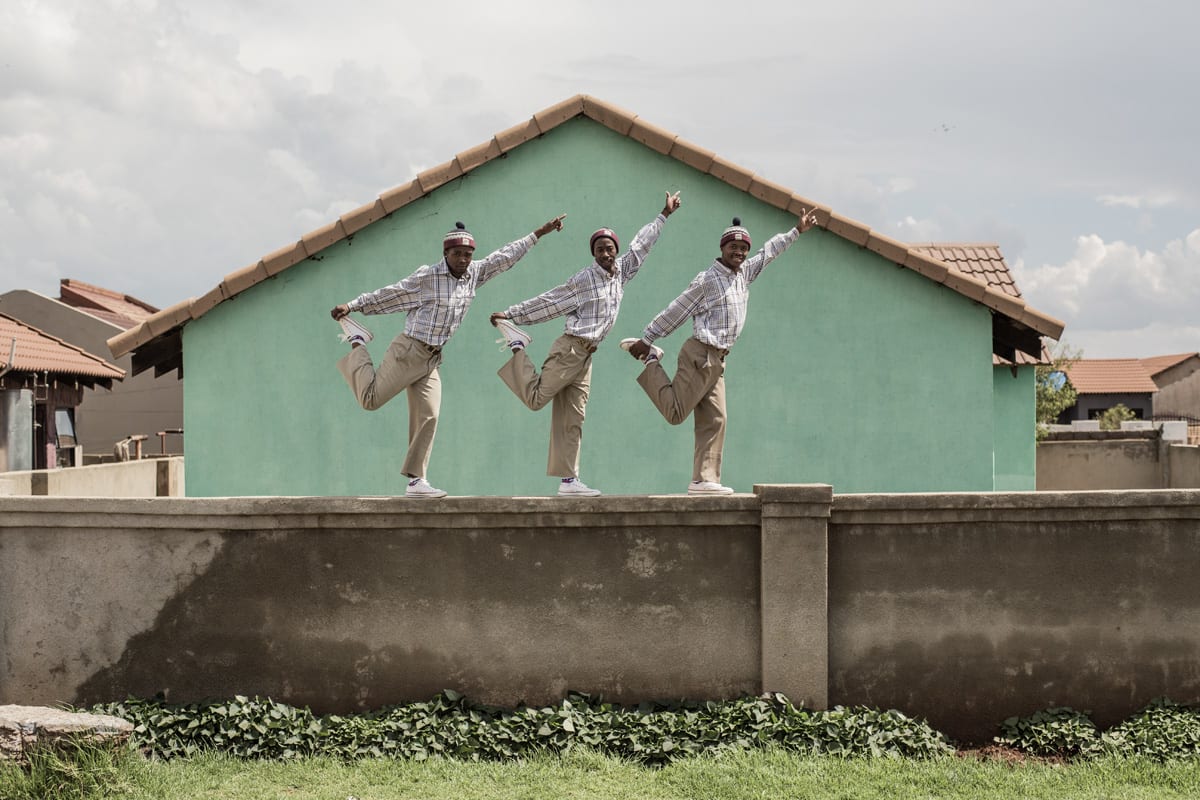
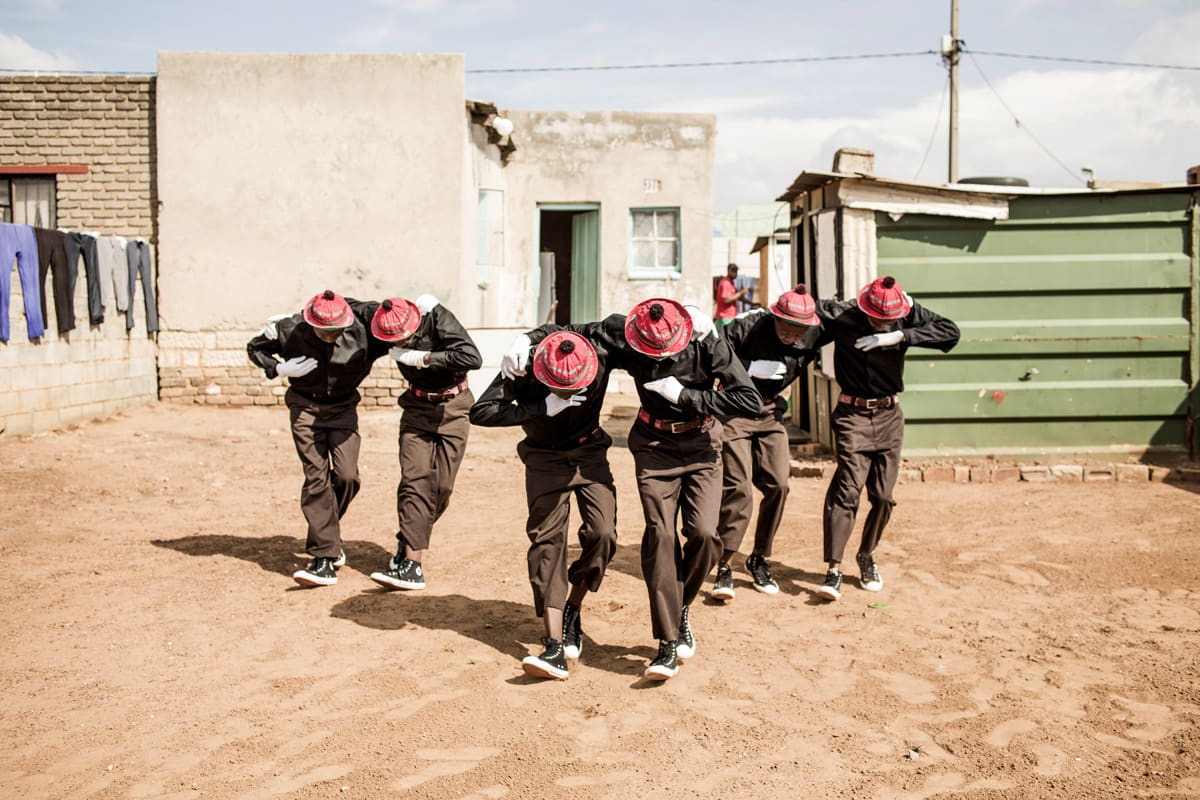
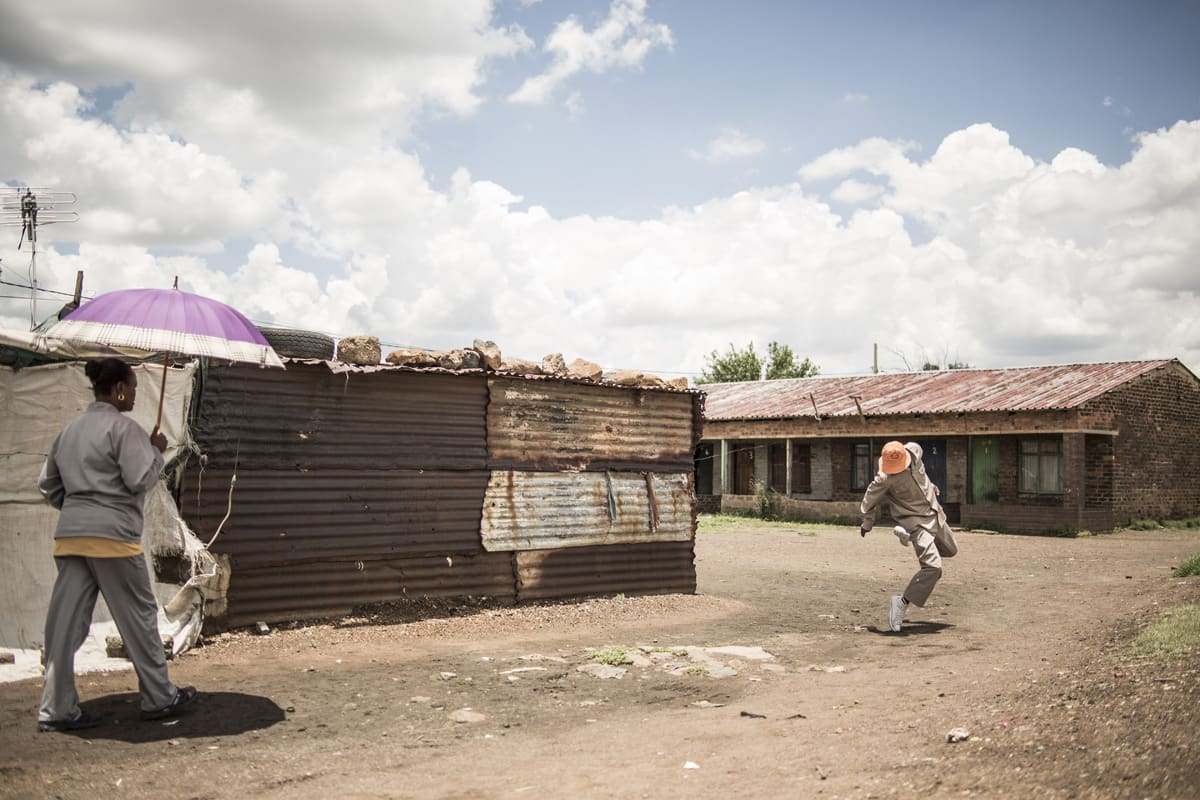
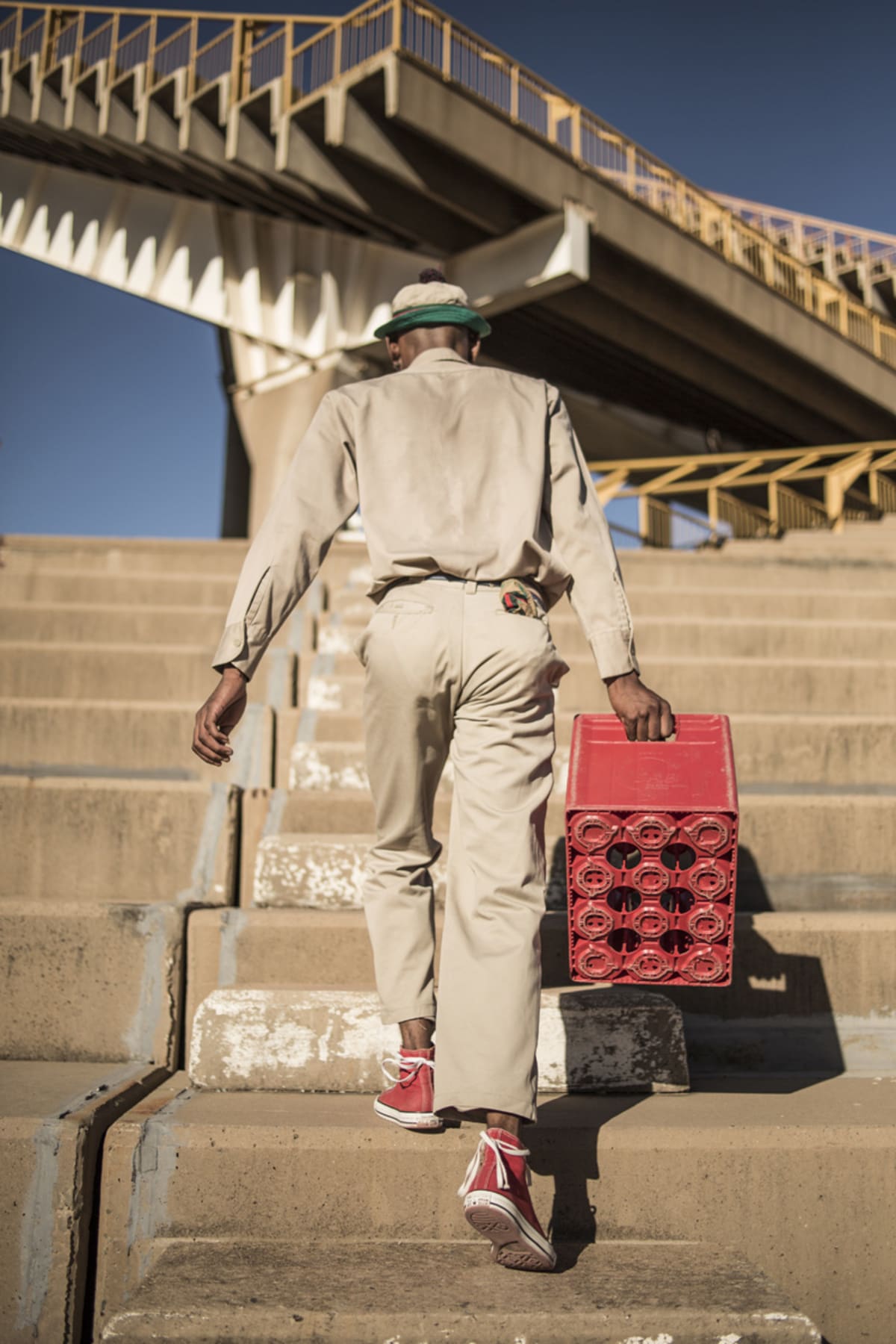
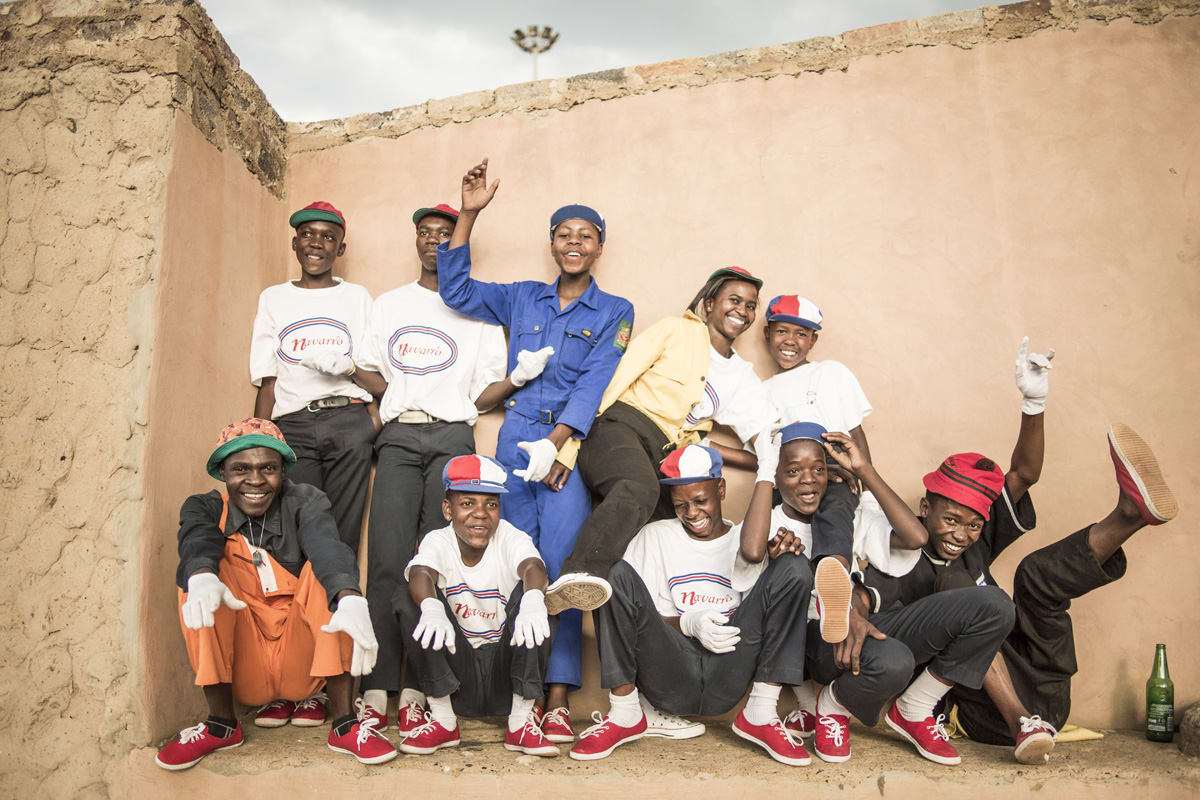
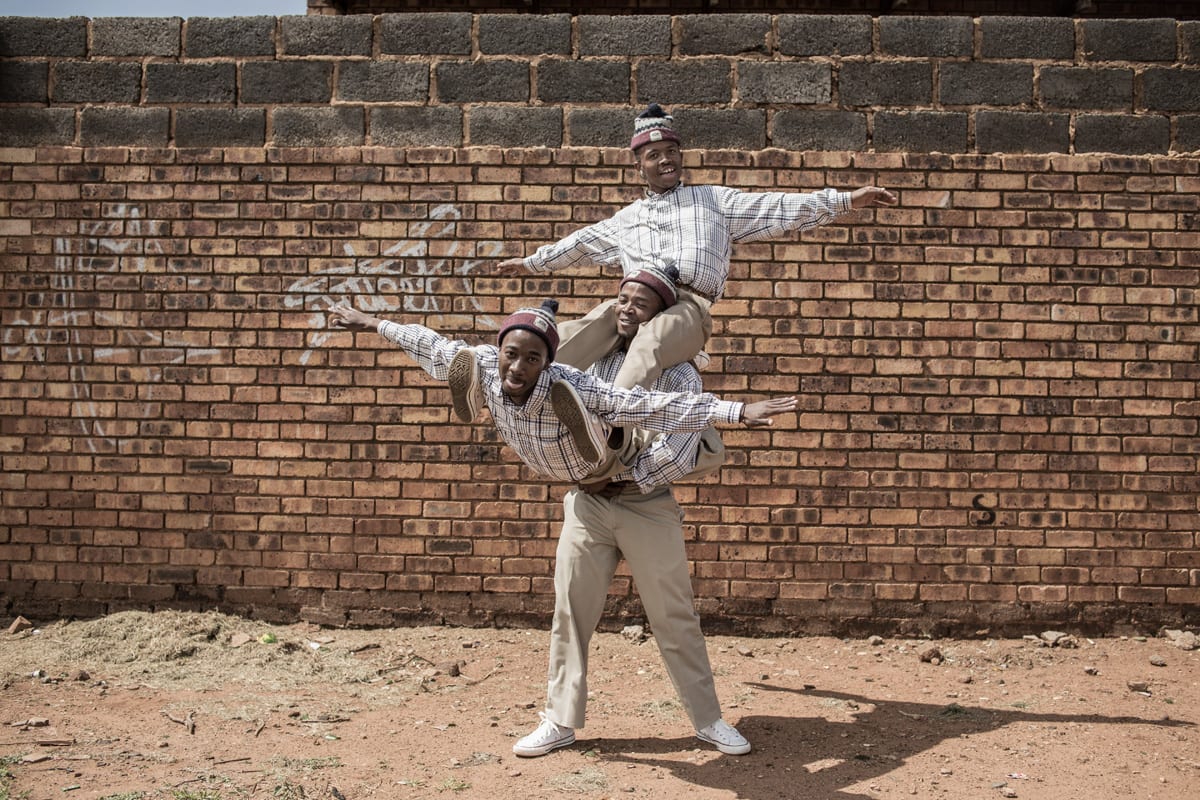
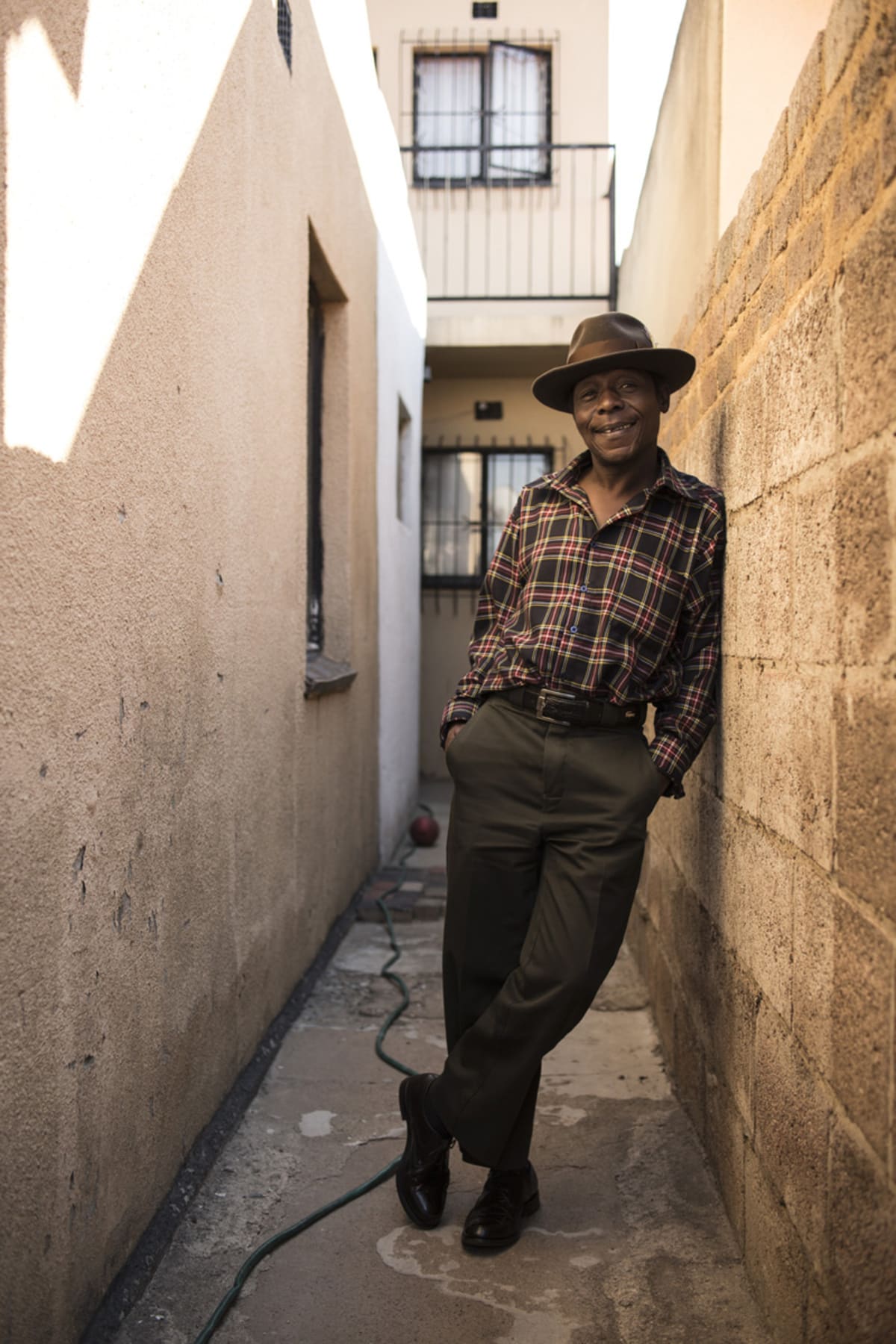
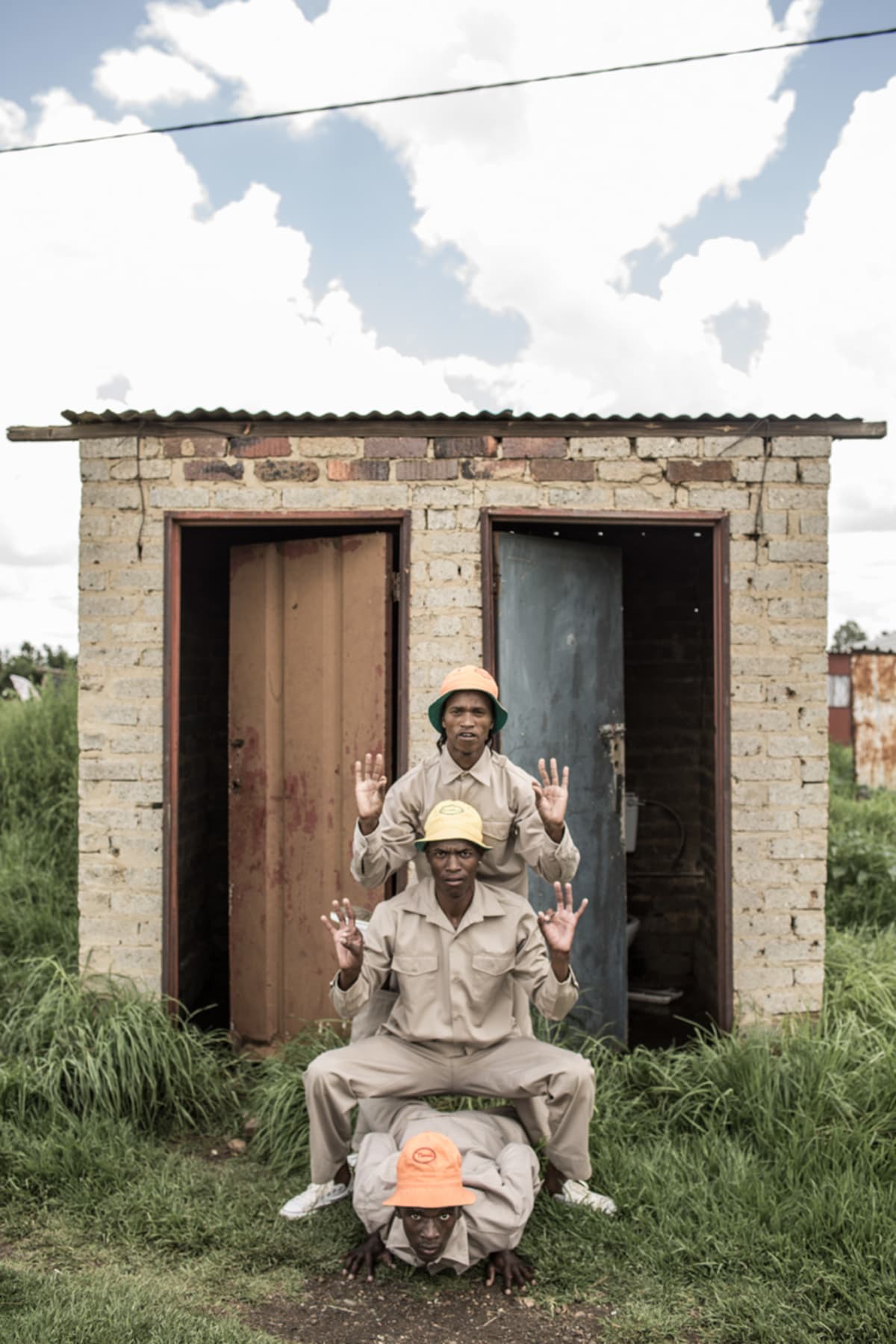
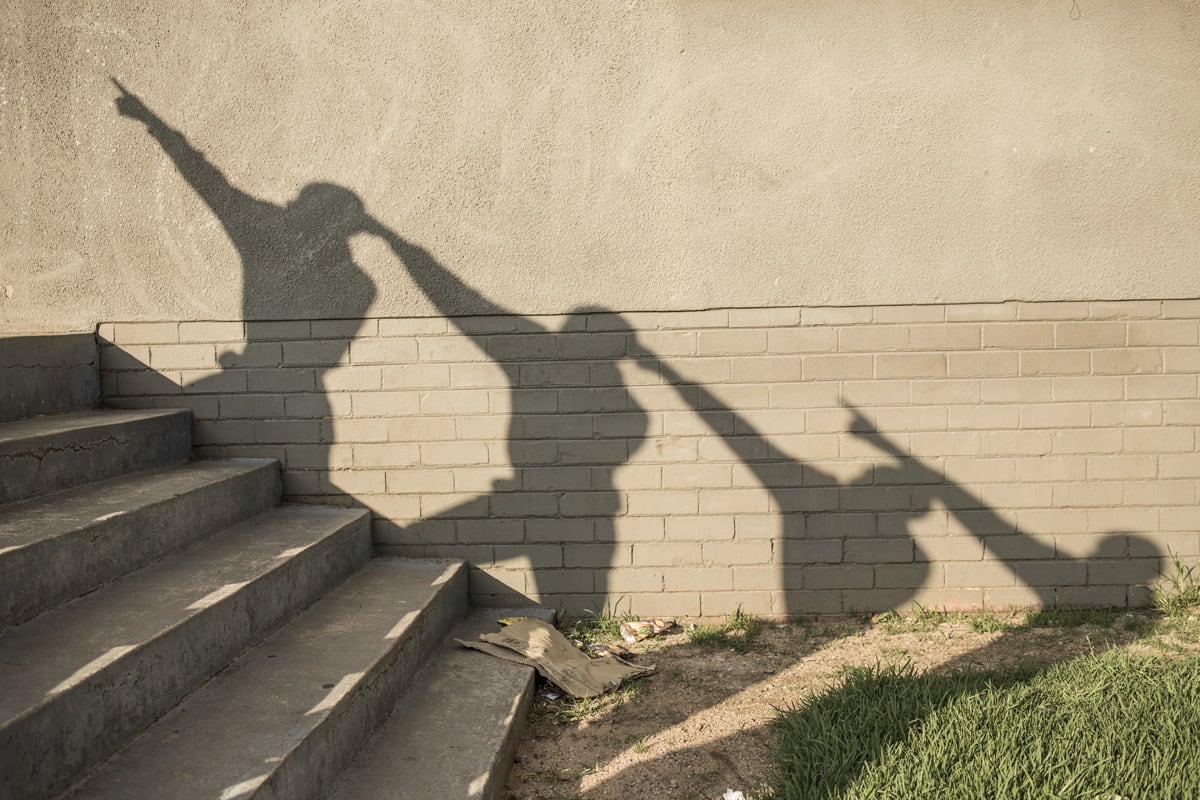
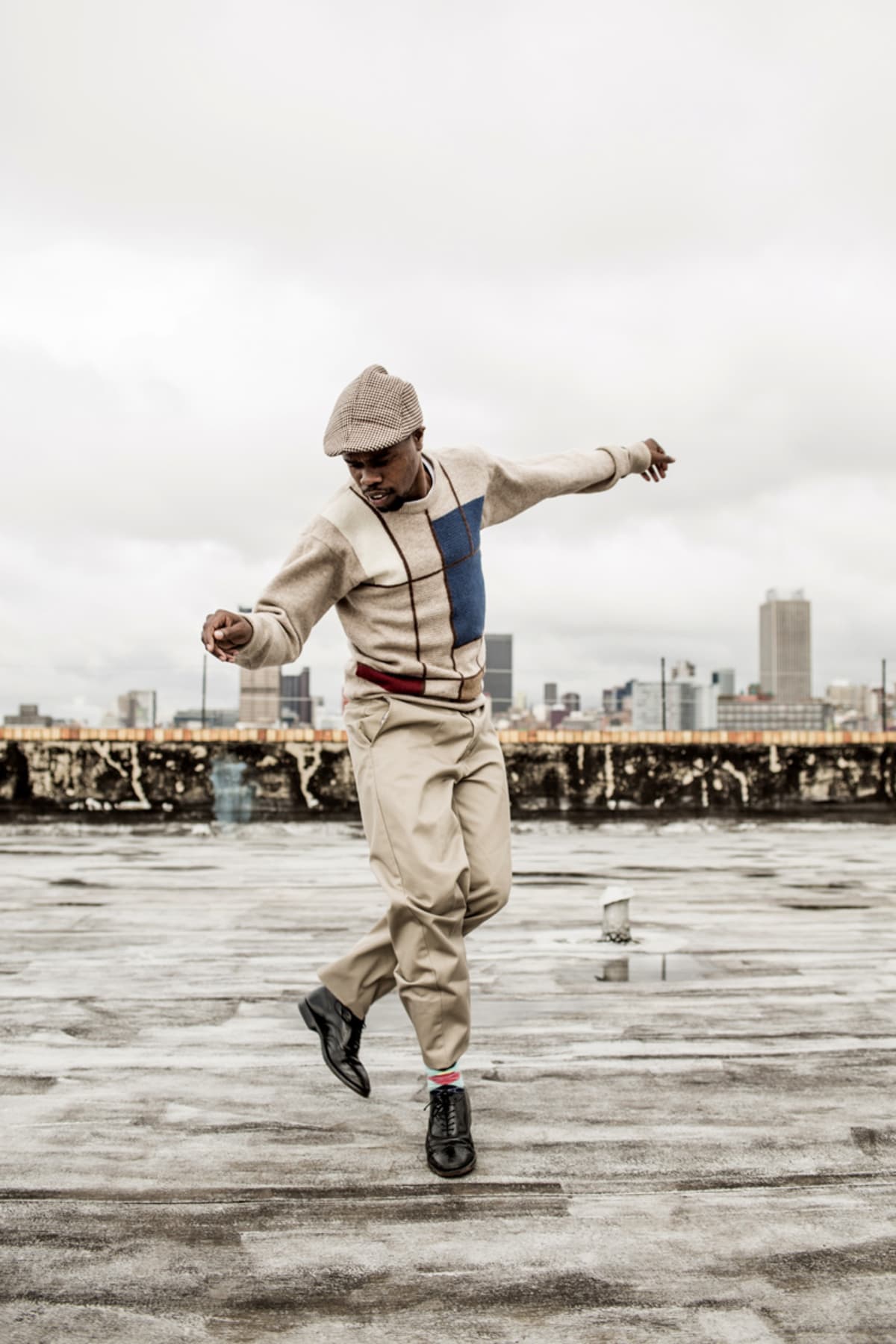
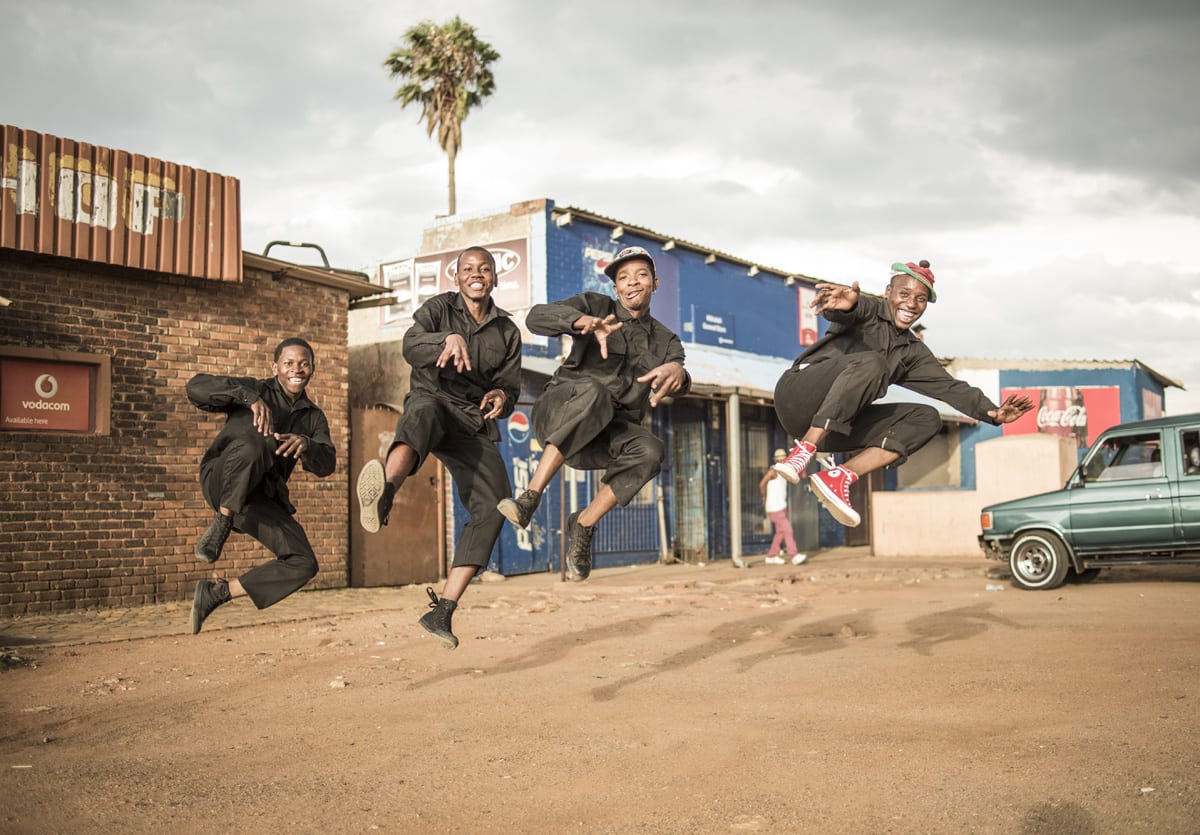
The pictures are taken in the streets and neighbourhoods where the groups rehearse and the dancers live, recording the movements — both literal and figurative — of pantsula crews in and around Johannesburg’s townships.
The dance draws its vocabulary from the street. Scenes of everyday life are translated into movement, and most steps depict ordinary gestures that refer to a specific situation. Some are universal and easily recognisable; others are particular to the reality of township life, and harder to decode as an outsider. The dance form is itself a storytelling platform, relating to and reflecting historical and present-day situations. To document it is to build an archive of township stories.
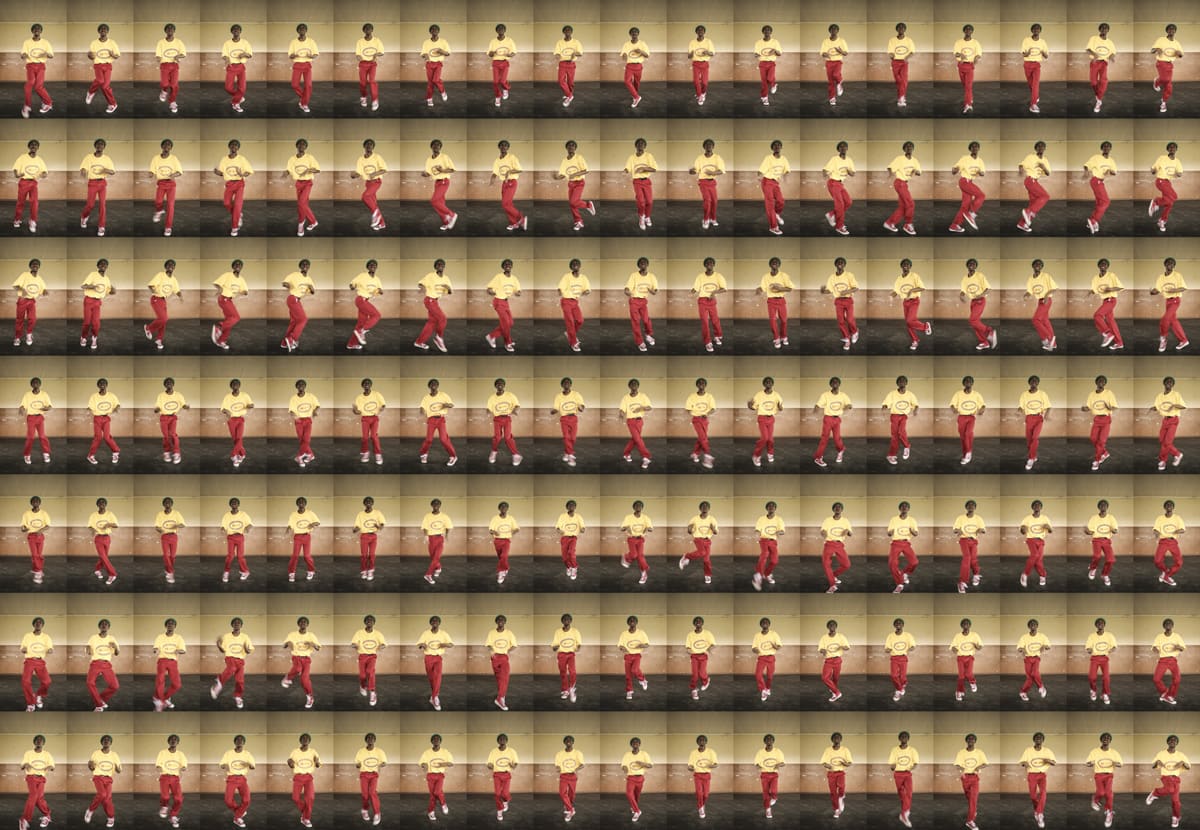
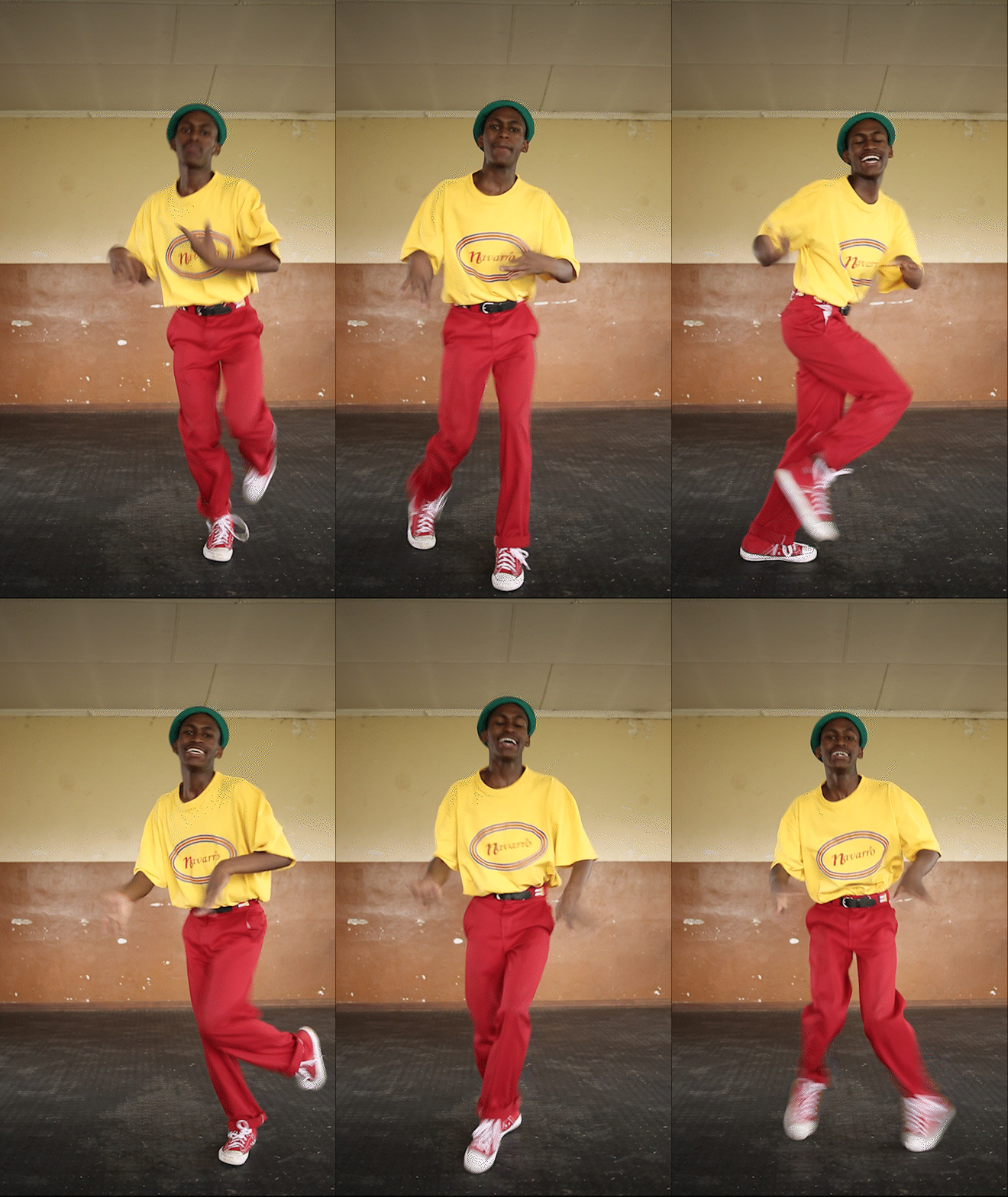
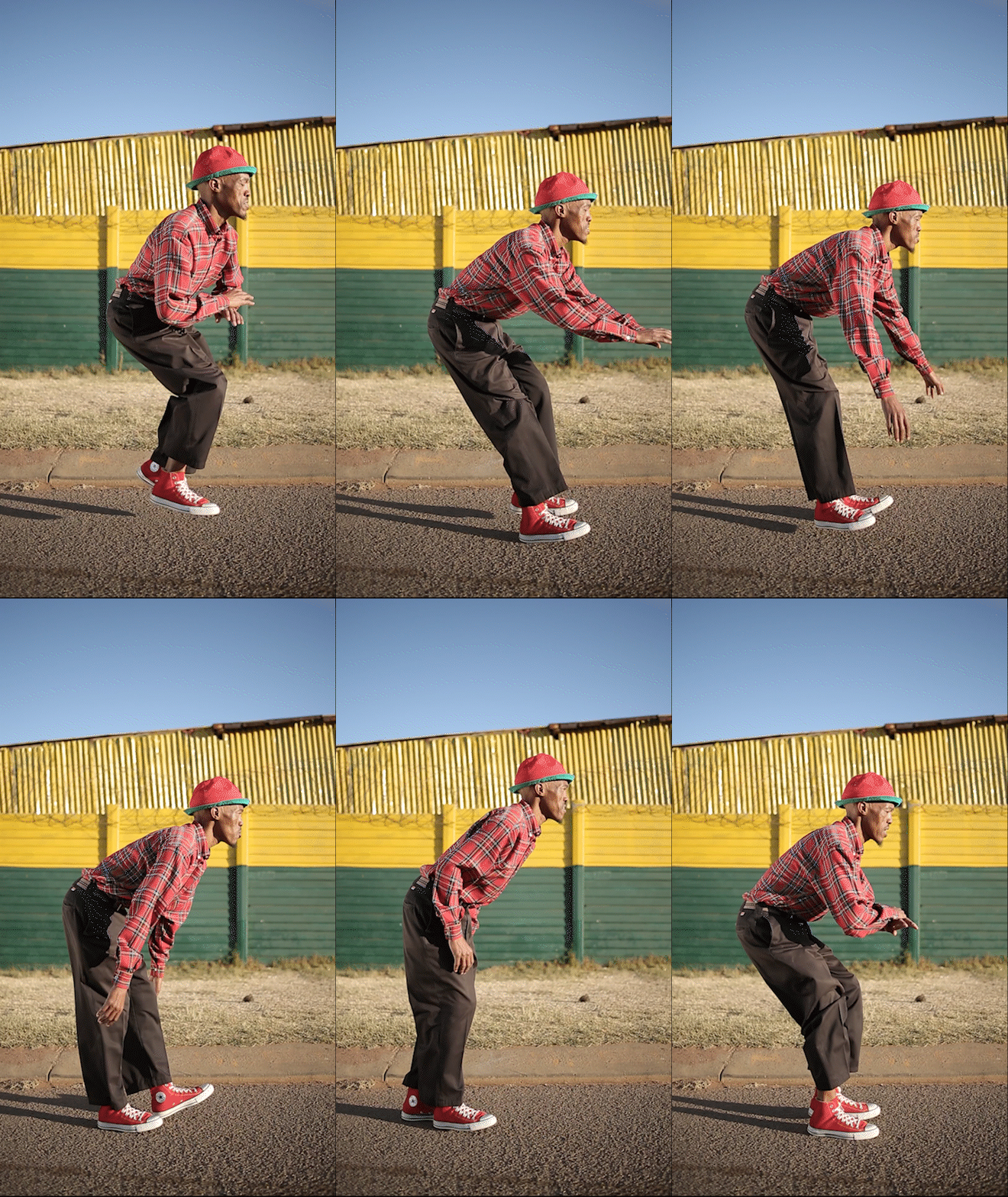
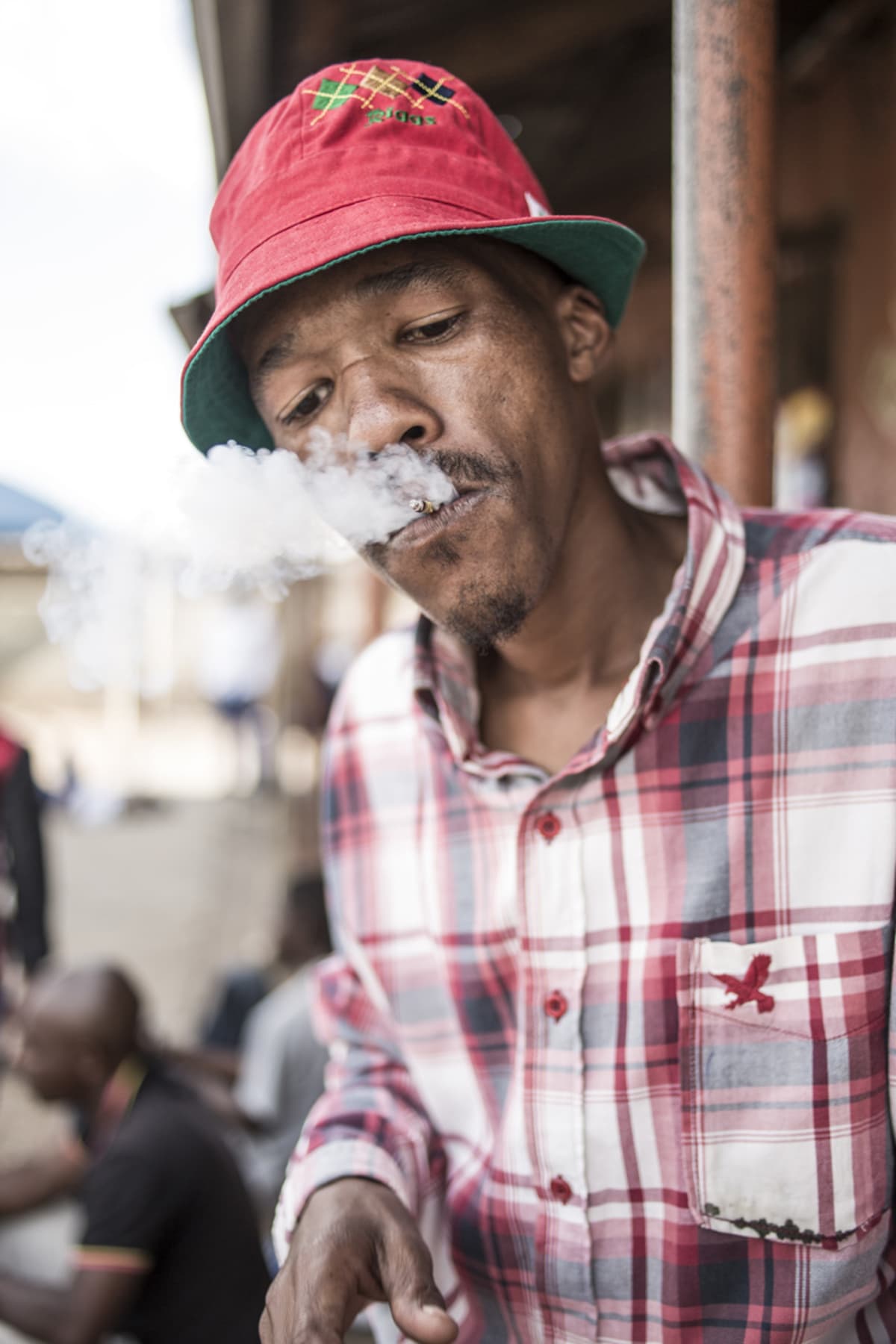
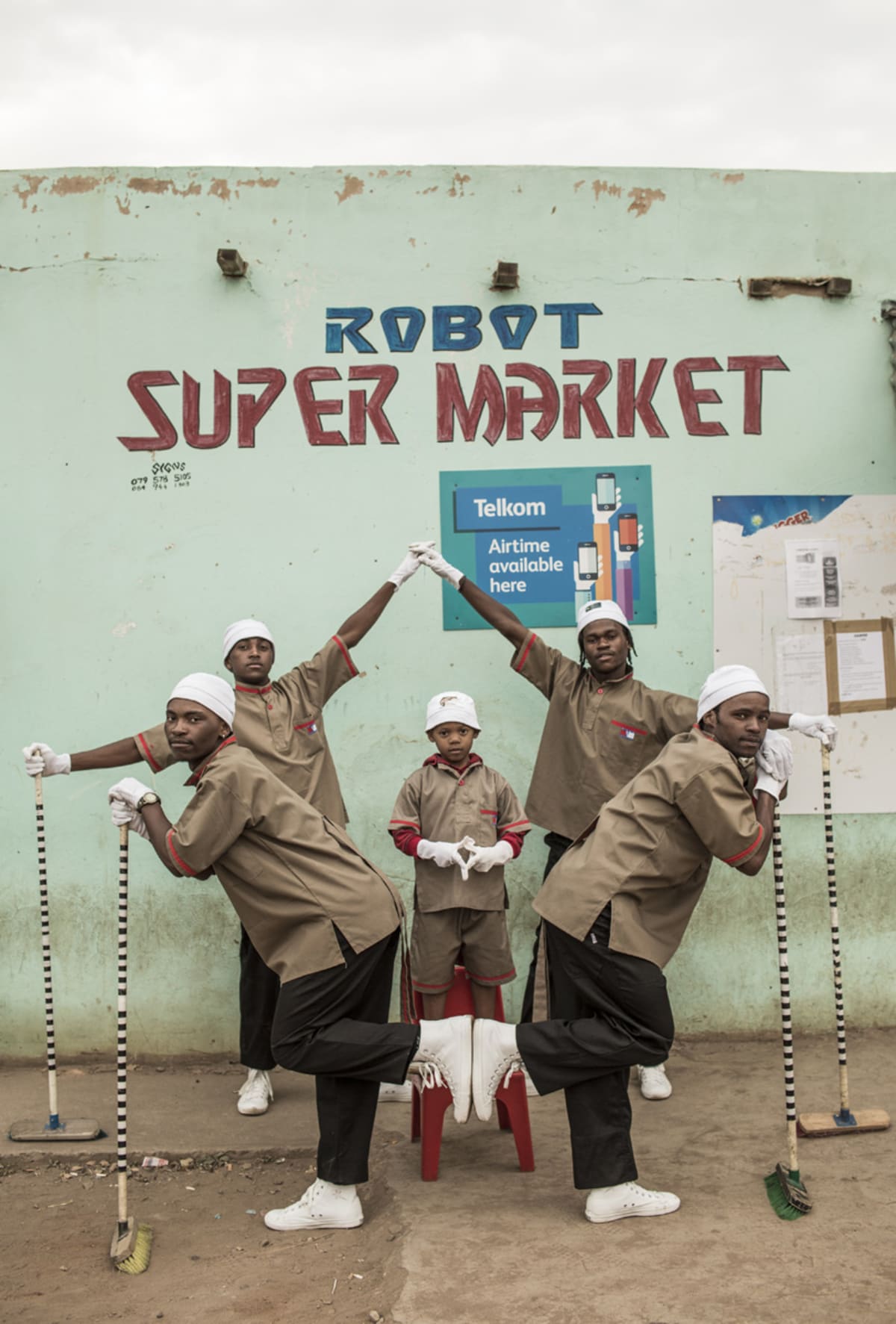
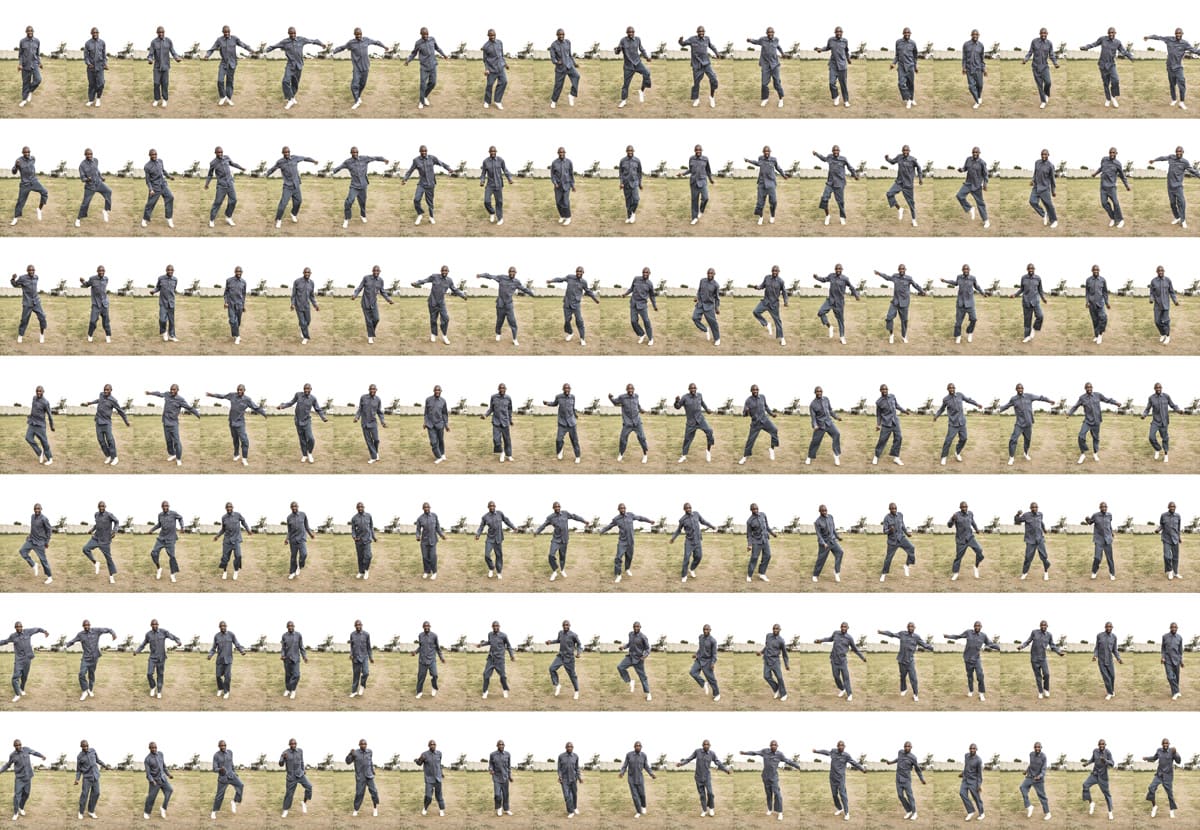
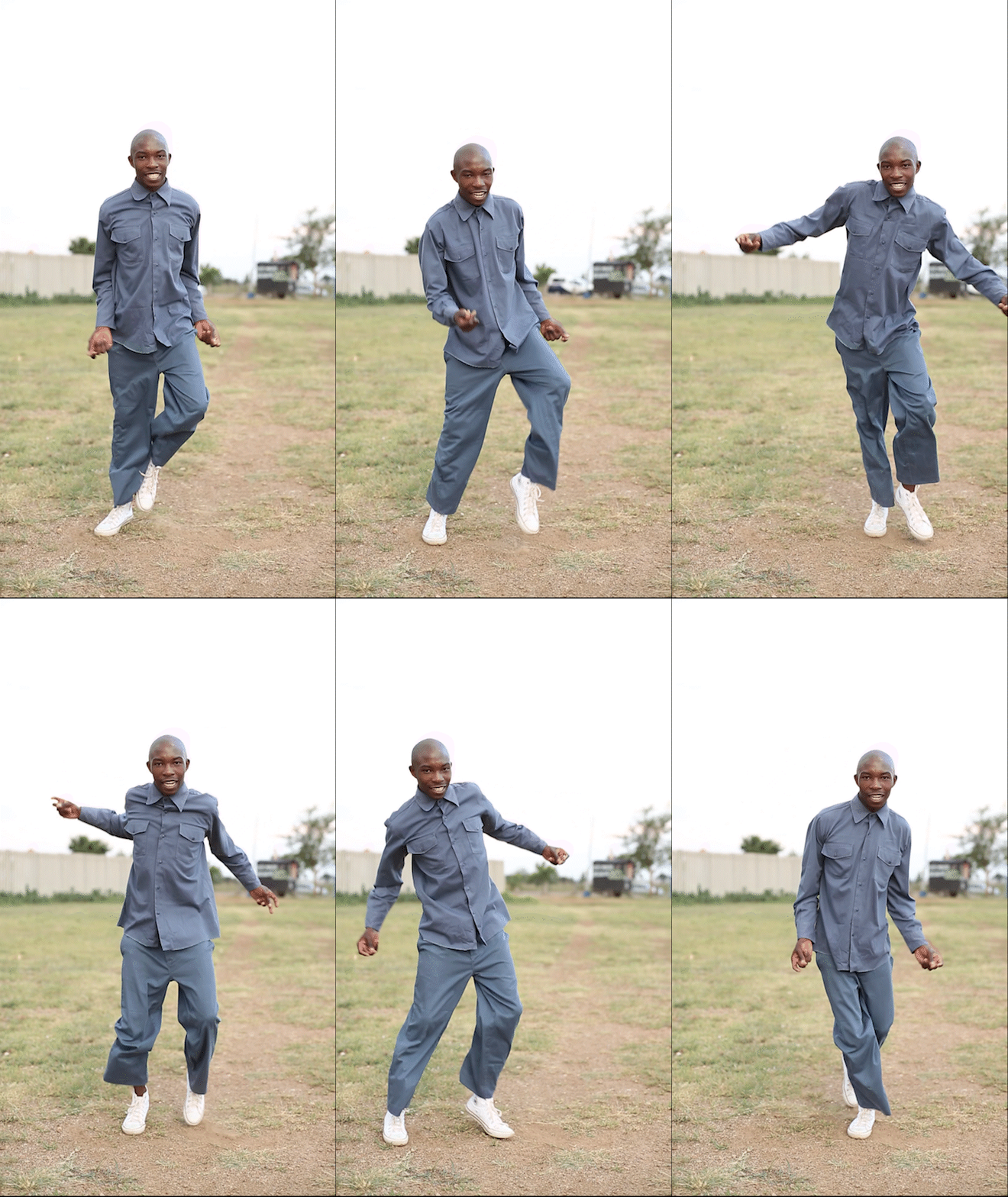
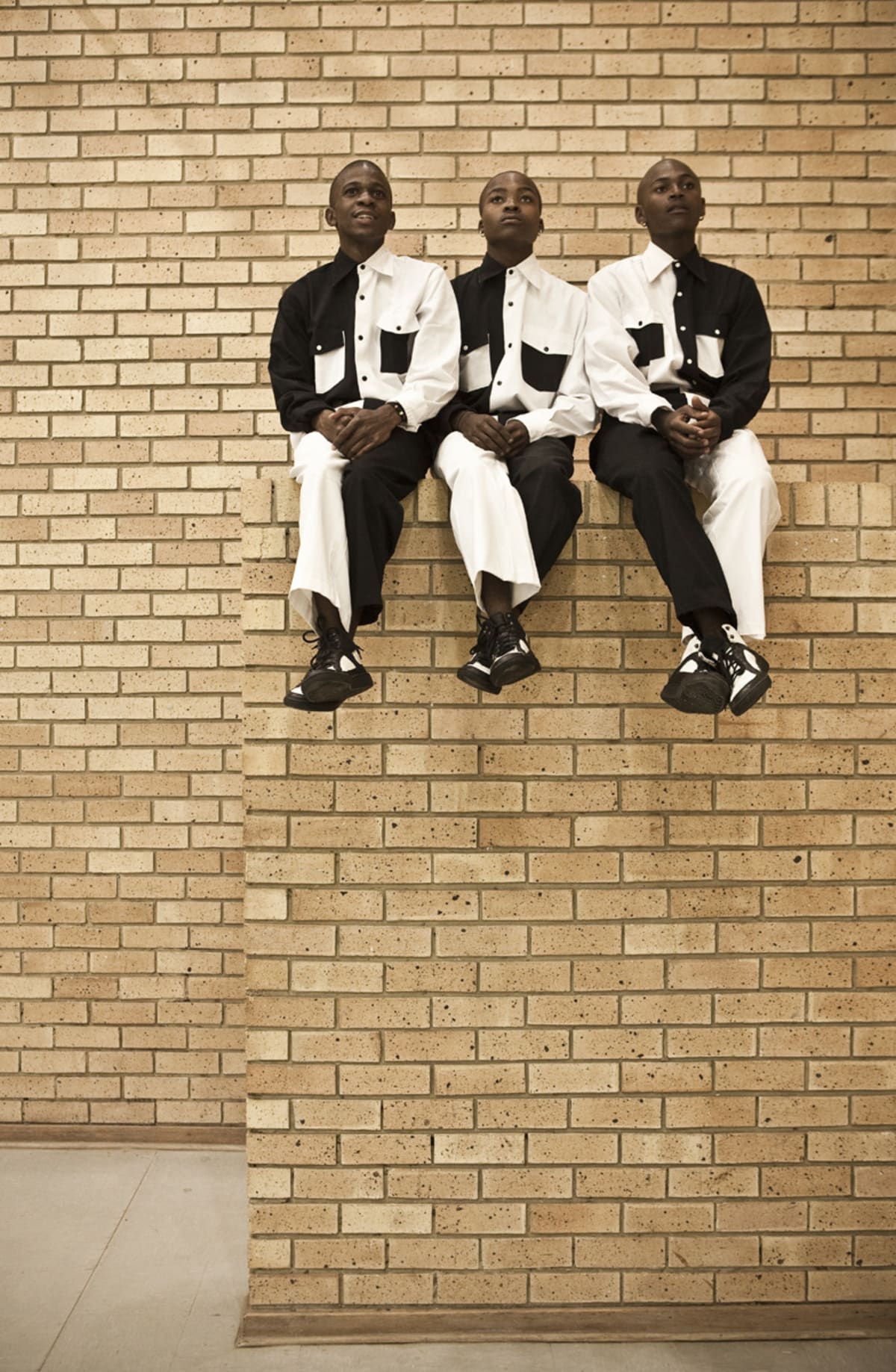
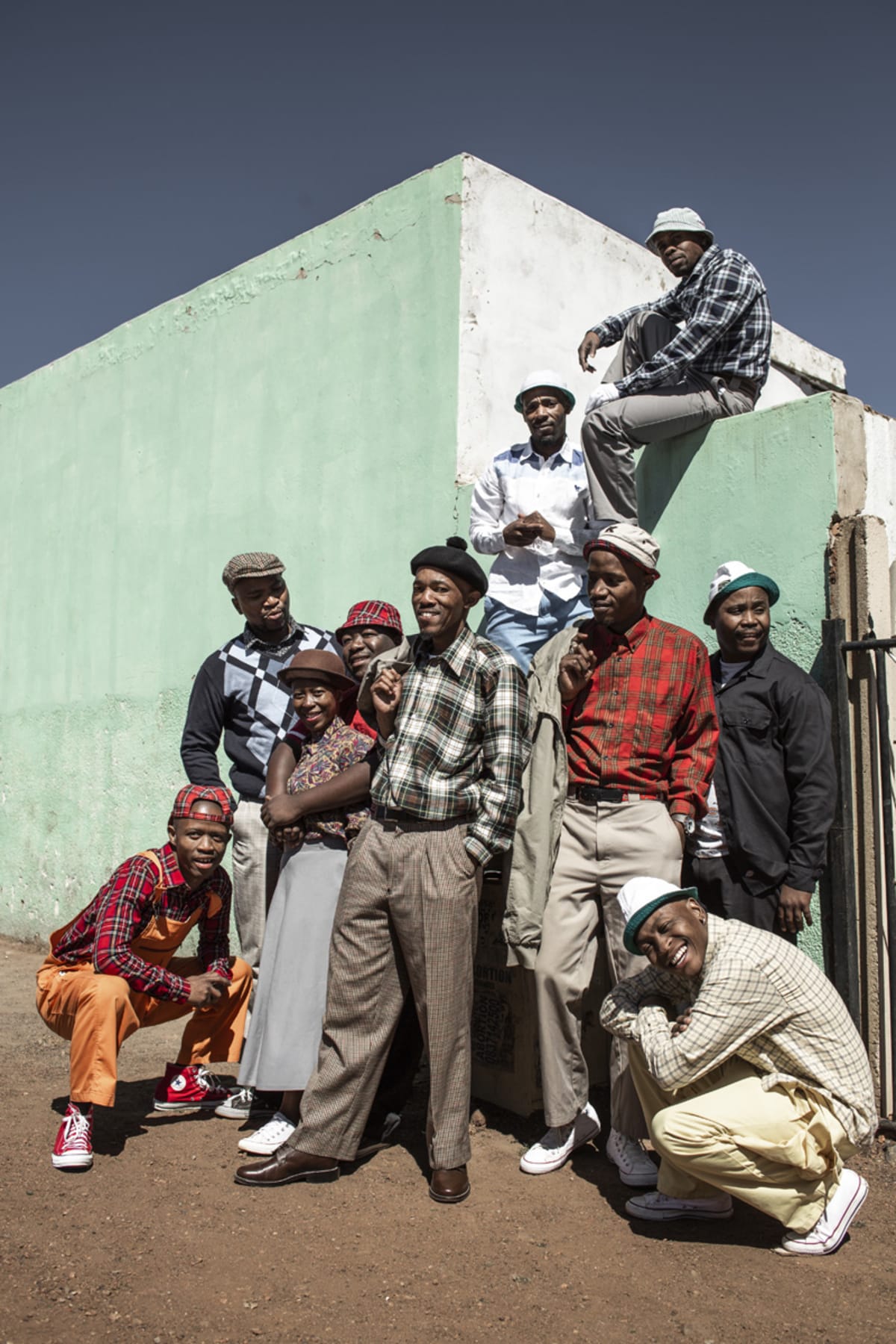
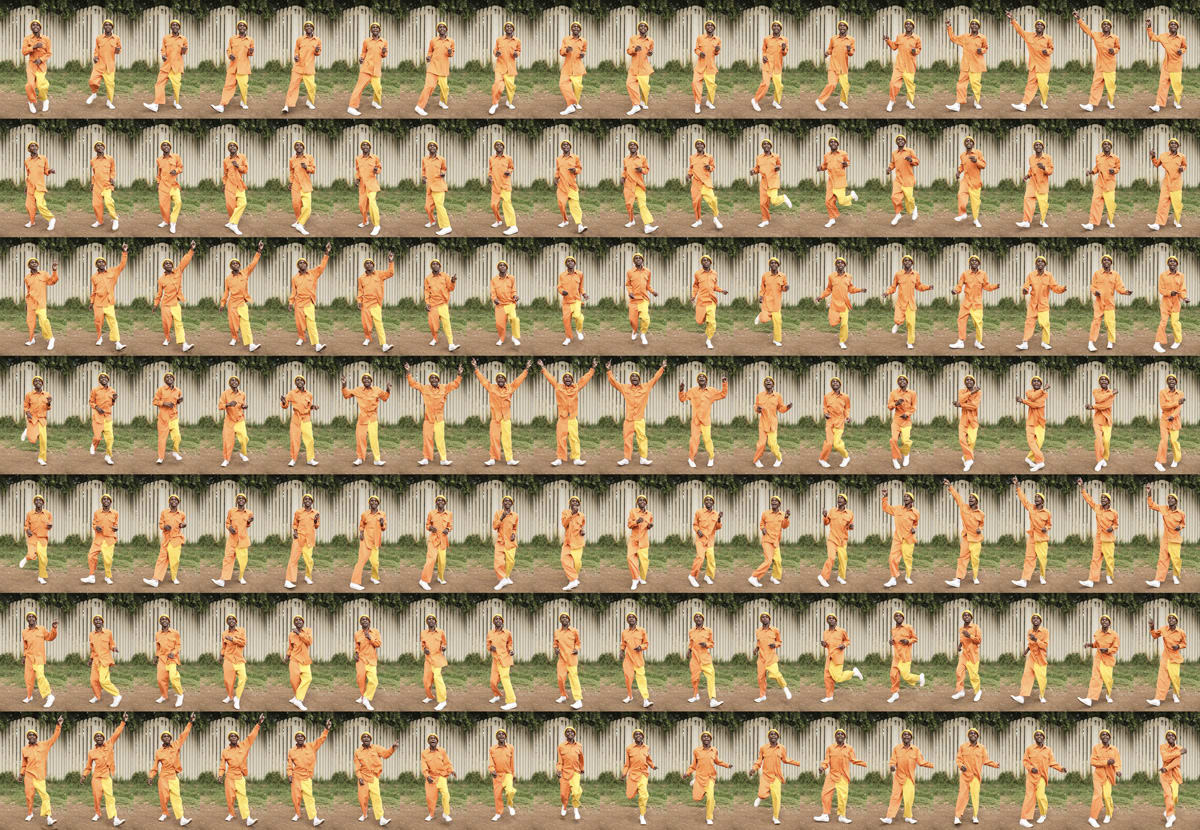
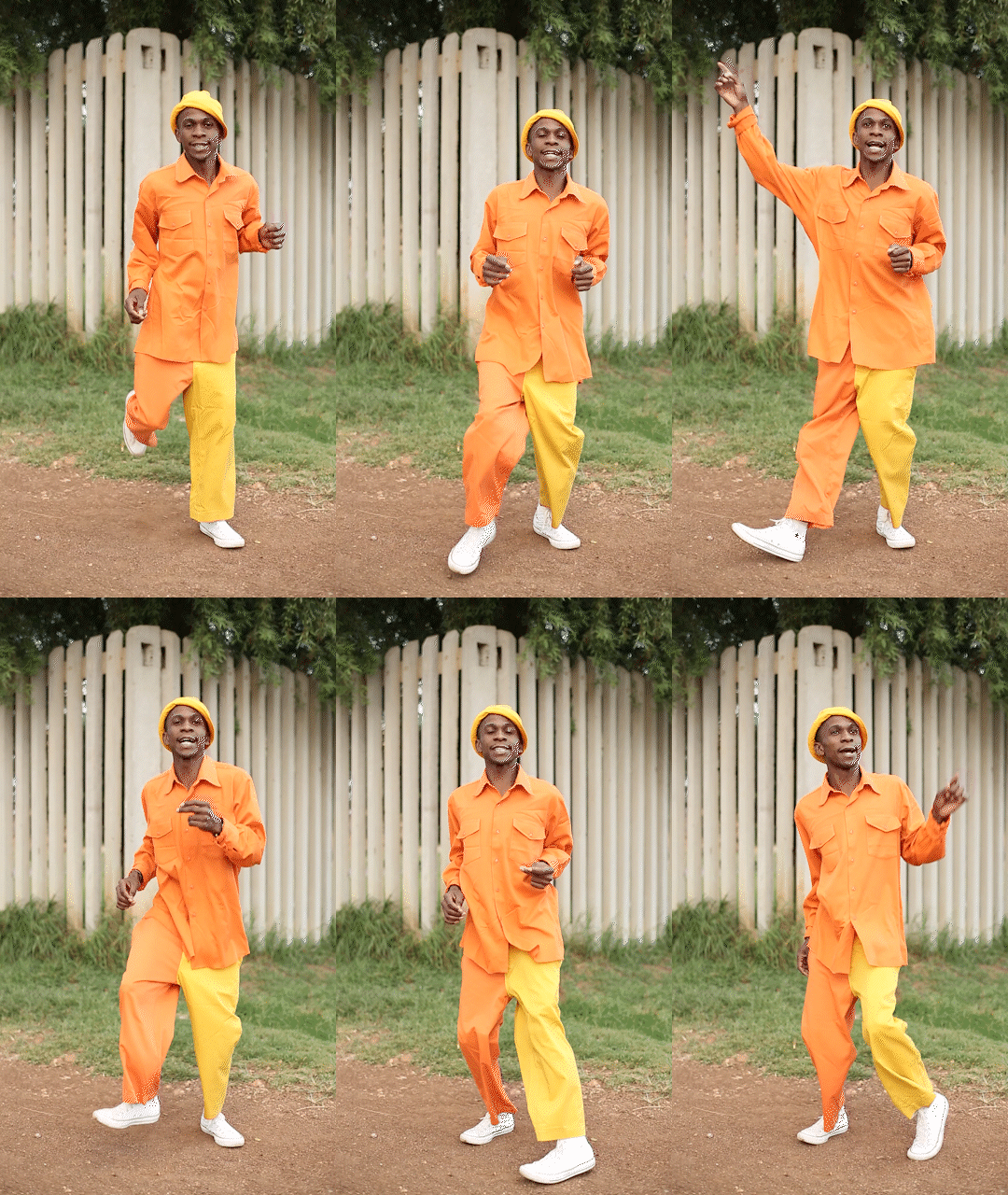
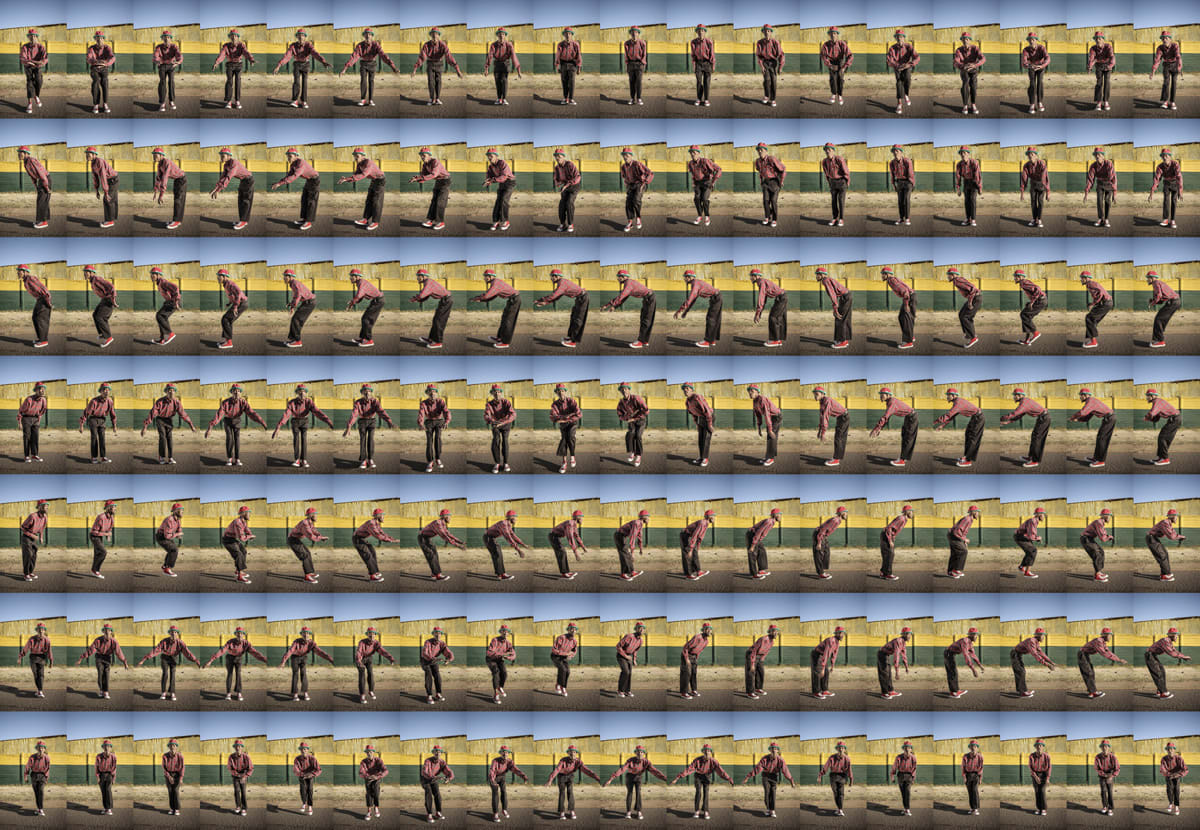
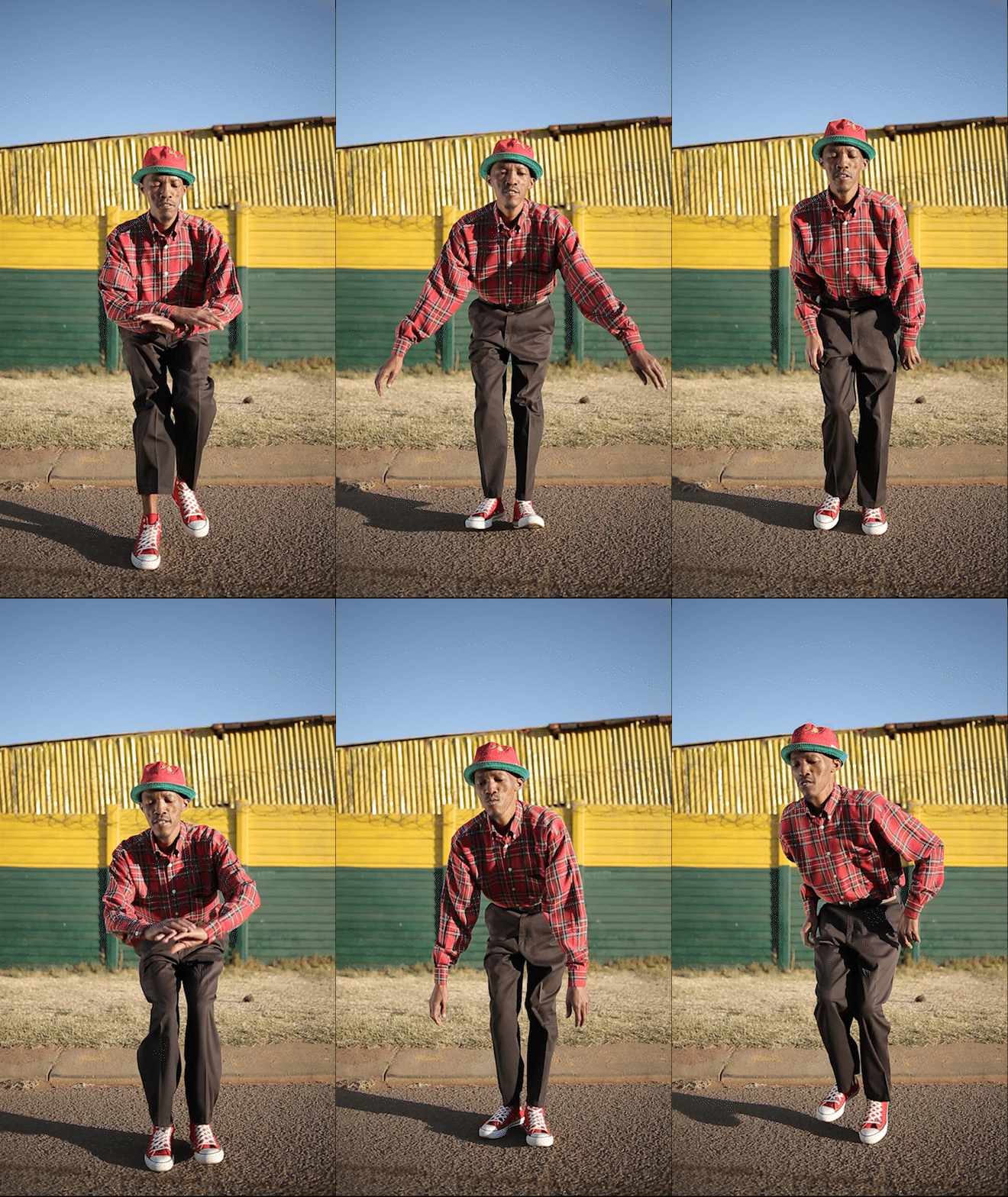
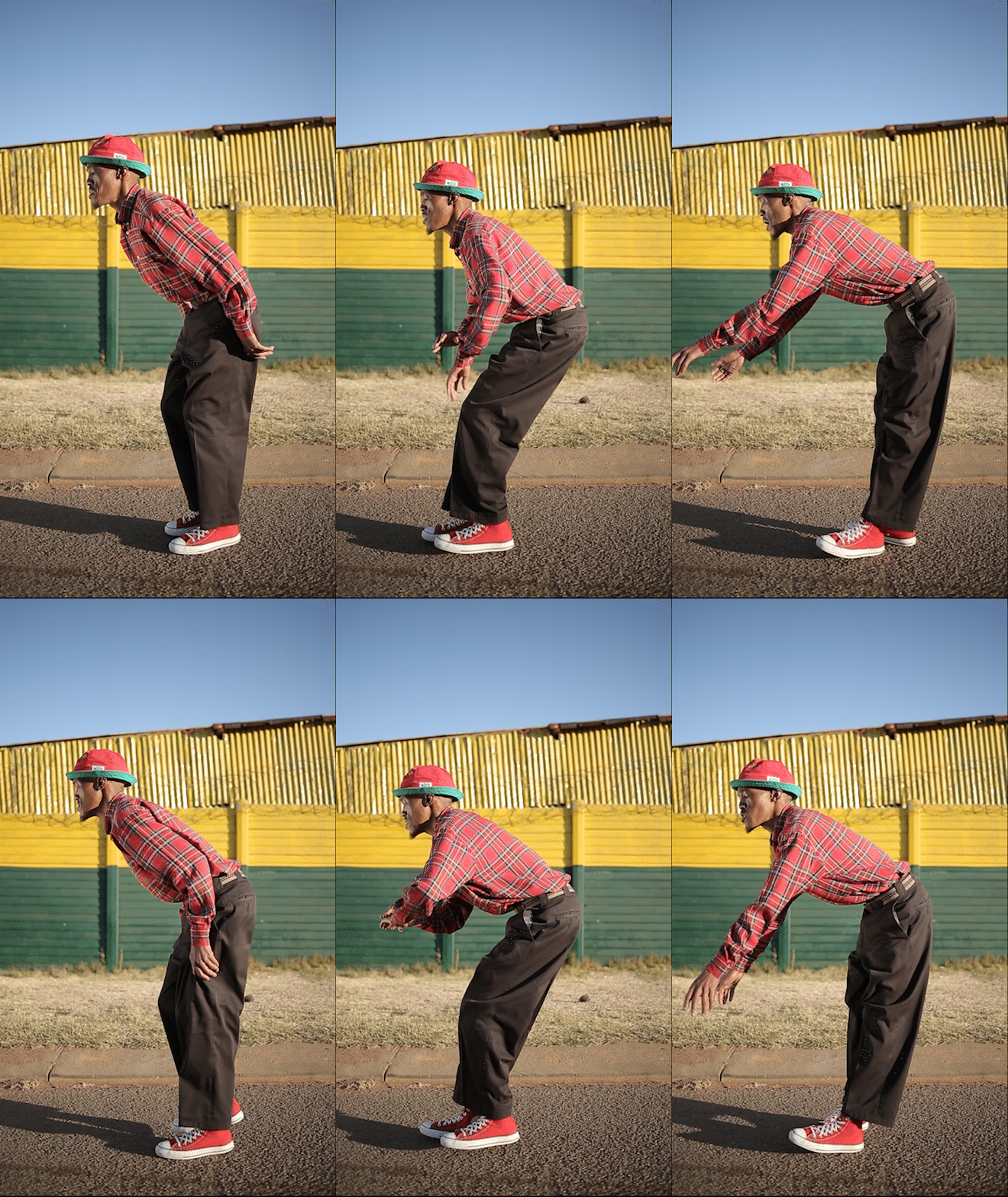
The work takes two forms. Because of the sheer pace of the dance, the basic steps were recorded on video and later broken into individual frames — large-format contact sheets and flip books that allow the viewer to read the form and grasp the intricacy of a movement, in the manner of Eadweard Muybridge’s early studies of motion. Alongside these sits a portrait series, made across the townships of Johannesburg and further through Gauteng, in which dancers articulate their identity in signature poses. Together the two allow the dance to be told: the movement itself, and the culture, fashion and environment it is embedded in.